Pediatric Pelvic Floor Therapy for Bedwetting, Constipation & Accidents
Helping Your Child Find Comfort, Confidence, and Control
Bedwetting, constipation, accidents at school
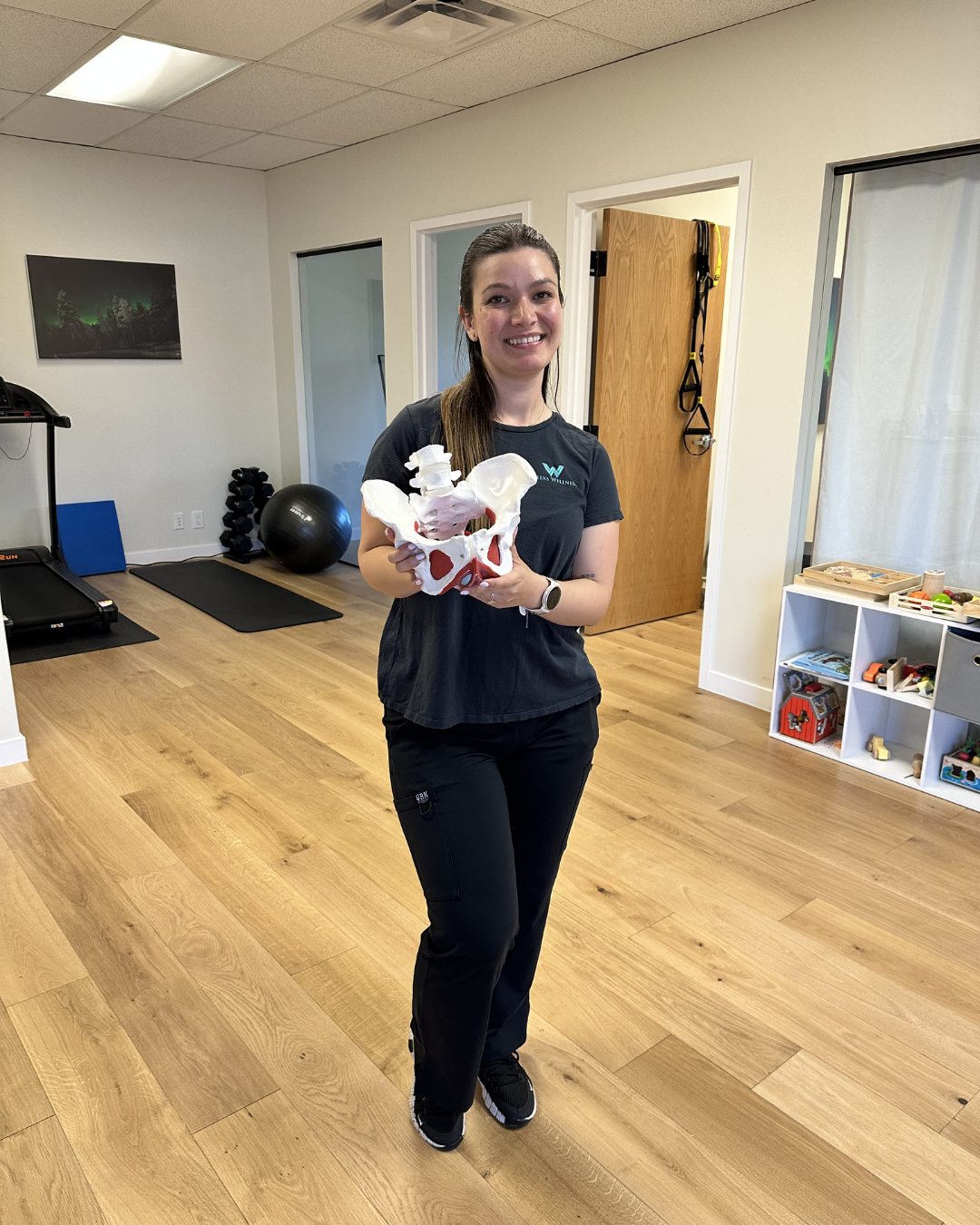
Pediatric pelvic floor therapy addresses dysfunction in the muscles and nerves that control bladder and bowel function in children. In kids, pelvic floor muscles can become too tight, poorly coordinated, or underactive — leading to a range of symptoms that are often frustrating for both the child and their family.
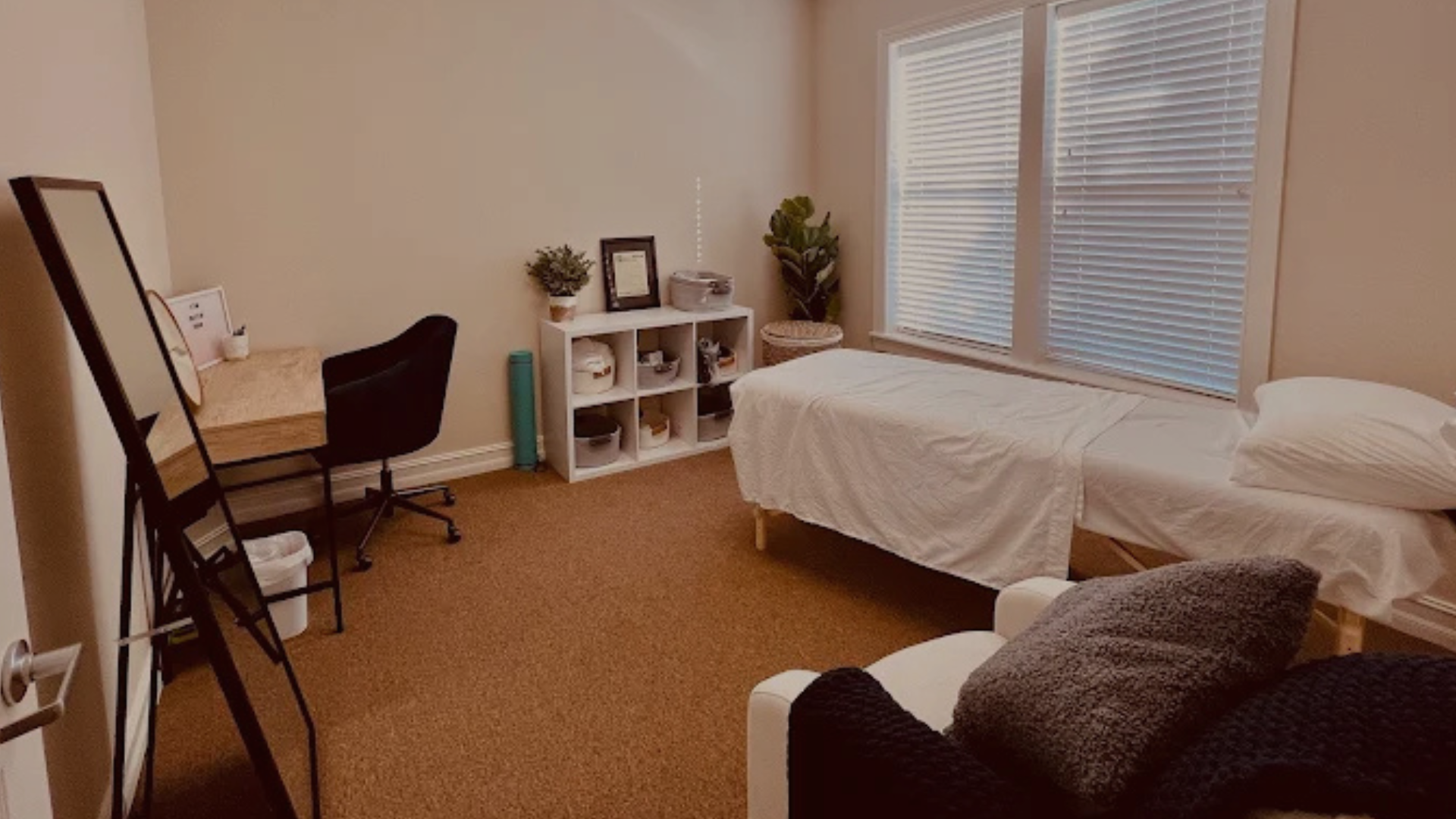
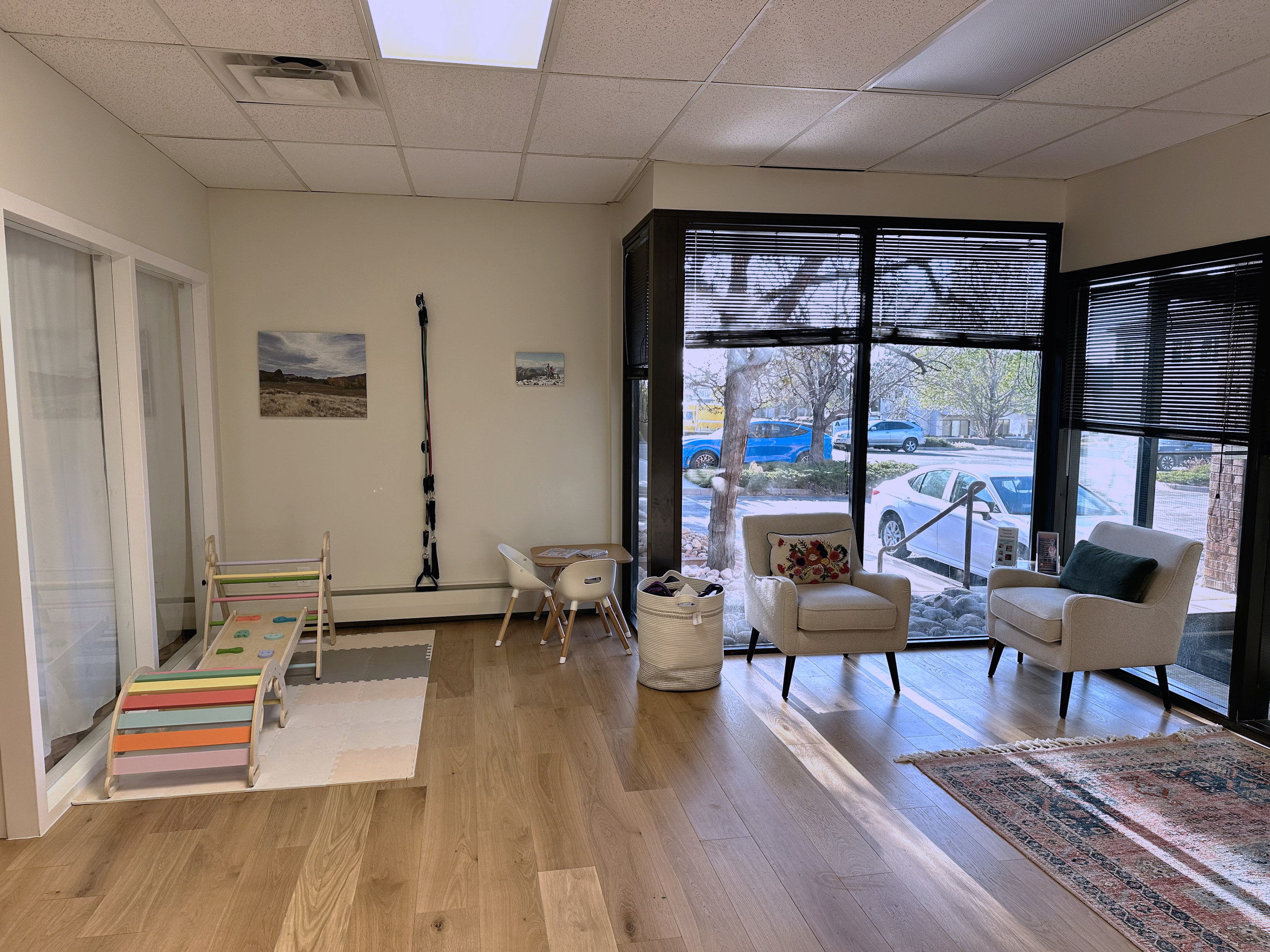
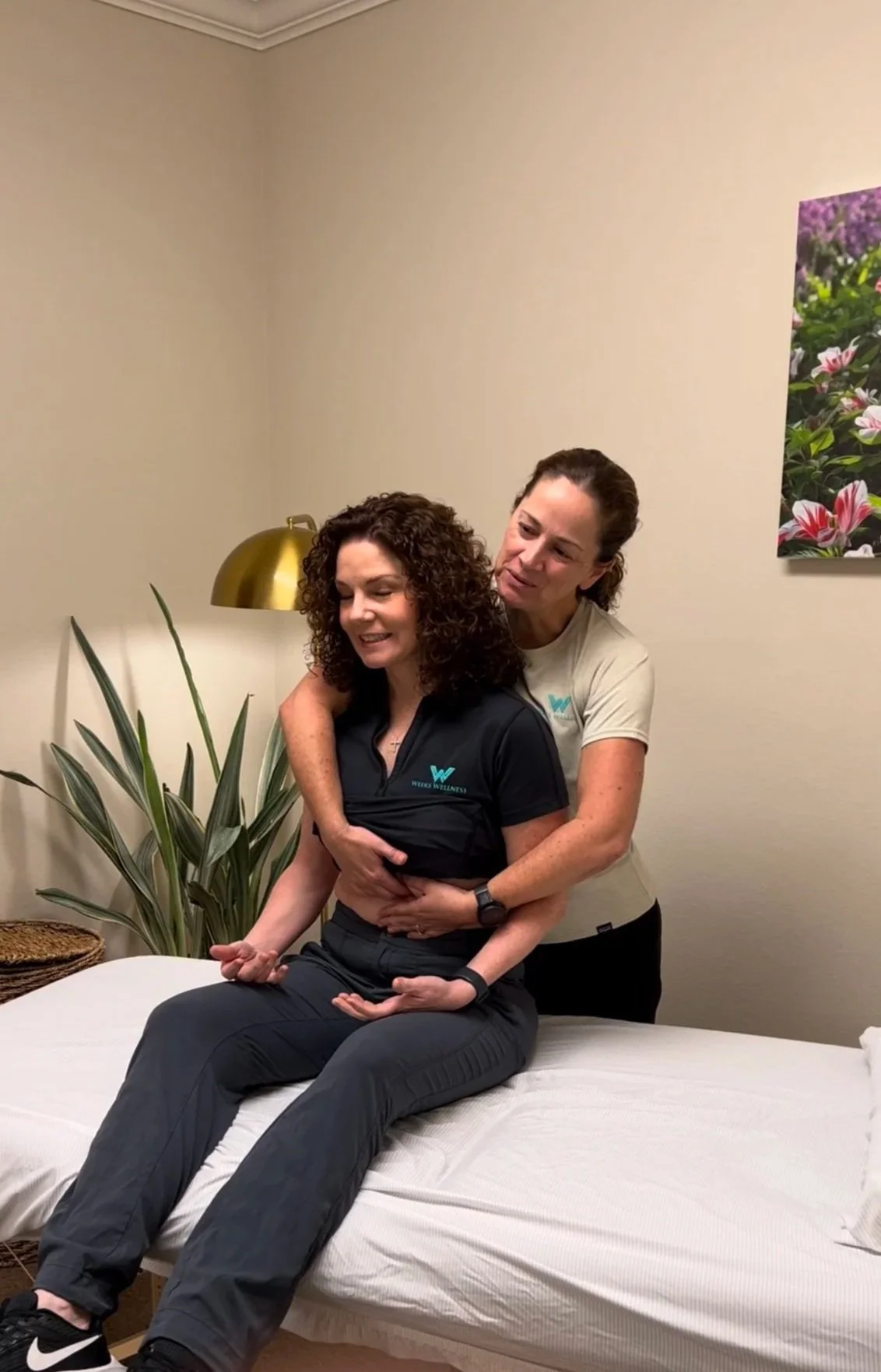
Our therapists are experienced in working with children and adolescents, using play-based, trauma-informed, and developmentally appropriate techniques. No internal assessment is performed on pediatric patients — all evaluation and treatment is external.
Common Symptoms we Treat
At Weeks Wellness, our pediatric pelvic floor program is designed to be age-appropriate, gentle, and centered on the child's comfort and trust.
-
Ongoing nighttime urinary accidents after the age when most children are expected to stay dry. This can be related to bladder capacity, deep sleep patterns, delayed nervous system maturation, or pelvic floor coordination challenges that affect nighttime control.
-
Frequent urges to urinate, difficulty holding urine, or accidents during the day. This may be linked to bladder overactivity, poor pelvic floor coordination, or habits such as “just in case” voiding that disrupt normal bladder signaling.
-
Difficulty with regular, comfortable bowel movements, including infrequent stools, avoidance of bowel movements, or involuntary stool leakage. These patterns often involve pelvic floor dysfunction, stool retention behaviors, and disrupted bowel signaling.
-
Discomfort, pain, or fear associated with passing stool, often leading to avoidance or withholding. This can contribute to a cycle of constipation and increased pelvic floor tension.
-
Recurrent urinary tract infections that may be influenced by incomplete bladder emptying, dysfunctional voiding patterns, or pelvic floor tightness that affects normal urine flow and hygiene.
-
Changes in bladder or bowel habits such as urgency, accidents, or constipation that may be associated with stress, anxiety, or past medical or emotional experiences. The pelvic floor can become overactive or uncoordinated in response to nervous system dysregulation.
-
Support after surgeries involving the abdomen, pelvis, or urinary system to restore normal bladder, bowel, and pelvic floor function. Therapy focuses on improving coordination, reducing pain or guarding, and helping the child return to normal activity comfortably.
Pediatric Pelvic Floor Therapy Locations
-
3689 Coolidge COURT, Unit 5,
Tallahassee, FL 32311Call: 850.750.0166
Text: 850.750.0166
Email: info@weekswellness.com -
Inside Sculpt Body Bar
2716 Stonewood Park Loop Land O’lAkes, FL 34638Call: 813.705.7860
Text: 813.705.7860
Email: info@weekswellness.com -
8332 US 301 N.
Parrish, Florida 34219
(Inside Anytime Fitness)Call: 941.394.1966
Text: 941.394.1966
Email: info@weekswellness.com -
675 Massachusetts Avenue, Cambridge, MA, 02139
Call: 857.597.7773
Text: 857.597.7773Email: info@weekswellness.com
-
The Professional Building 94 Pleasant St Suite 102 Arlington, MA 02476
Call: 339.329.8550
Text: 339.329.8550
Email: info@weekswellness.com -
Century Suites, 100 Trade Center, South Suite G-700 Woburn, MA 01801
Call: 781.650.2781
Text: 781.650.2781
Email: info@weekswellness.com -
5959 Topanga Canyon Blvd Unit 140 Woodland Hills, CA 91367
Call: 747.204.2936
Text: 747.204.2936
Email: info@weekswellness.com -
10394 W Chatfield Ave Unit 105 Littleton, CO 80127
Call: 720.821.7370
Text: 720.821.7370
Email: info@weekswellness.com -
1220 SE Maynard Rd, Ste. 203, Cary NC, 27511
Email: info@weekswellness.com
“Weeks Wellness stands out as a place that truly values whole-body health and personalized care. The team is passionate, knowledgeable, and committed to helping people feel their best. You can tell they put thought into creating a calm, welcoming environment, and they offer a range of services that support long-term wellness.
If you're looking for a practice that takes a more thoughtful and holistic approach to health, Weeks Wellness definitely deserves a look!”
— J. A. | Google ReviewMeet Your Pelvic Health Team
-
![]()
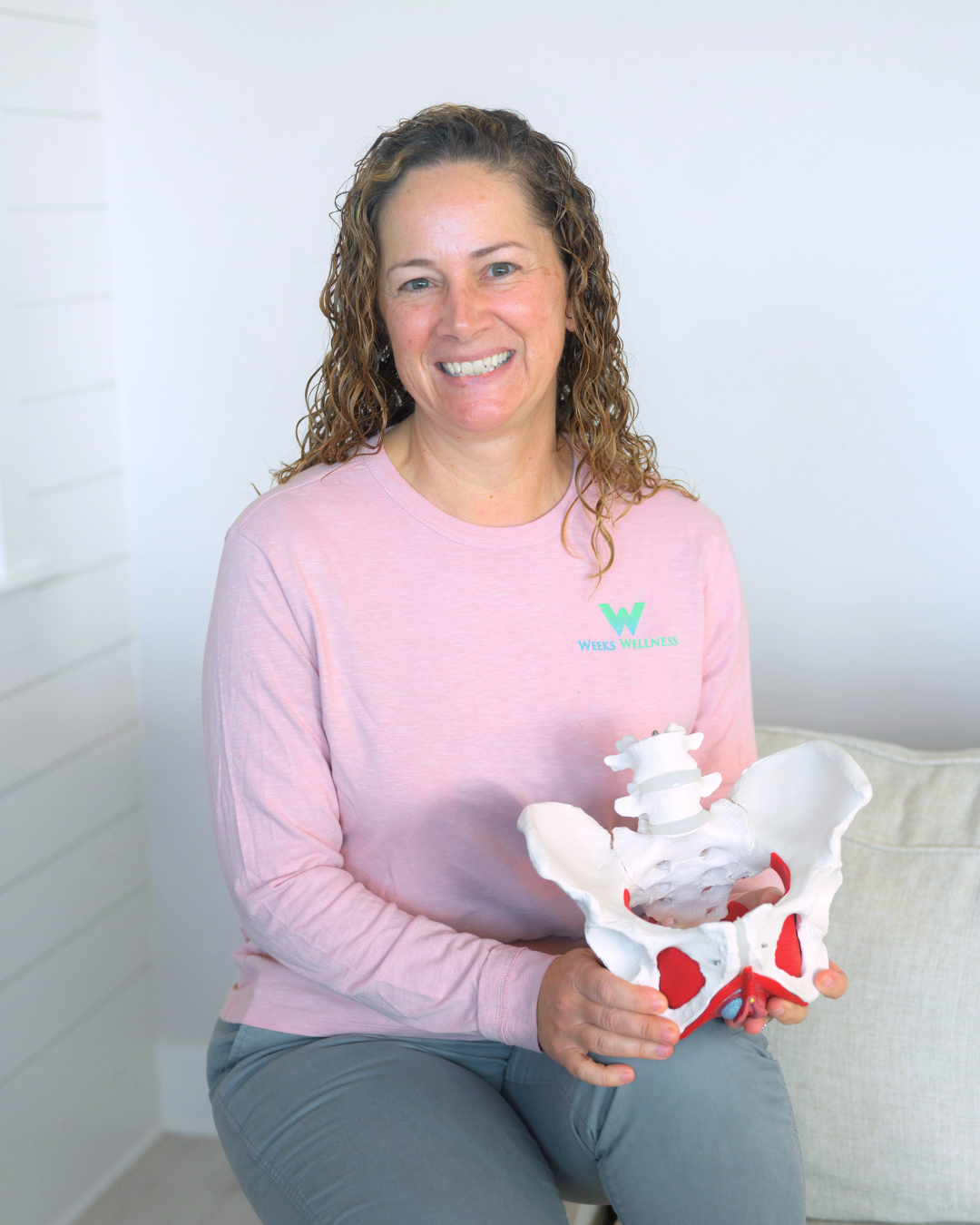
Dr. Michelle Weeks
FOUNDER | Serving Patients in Tallahassee, Florida
-
![]()
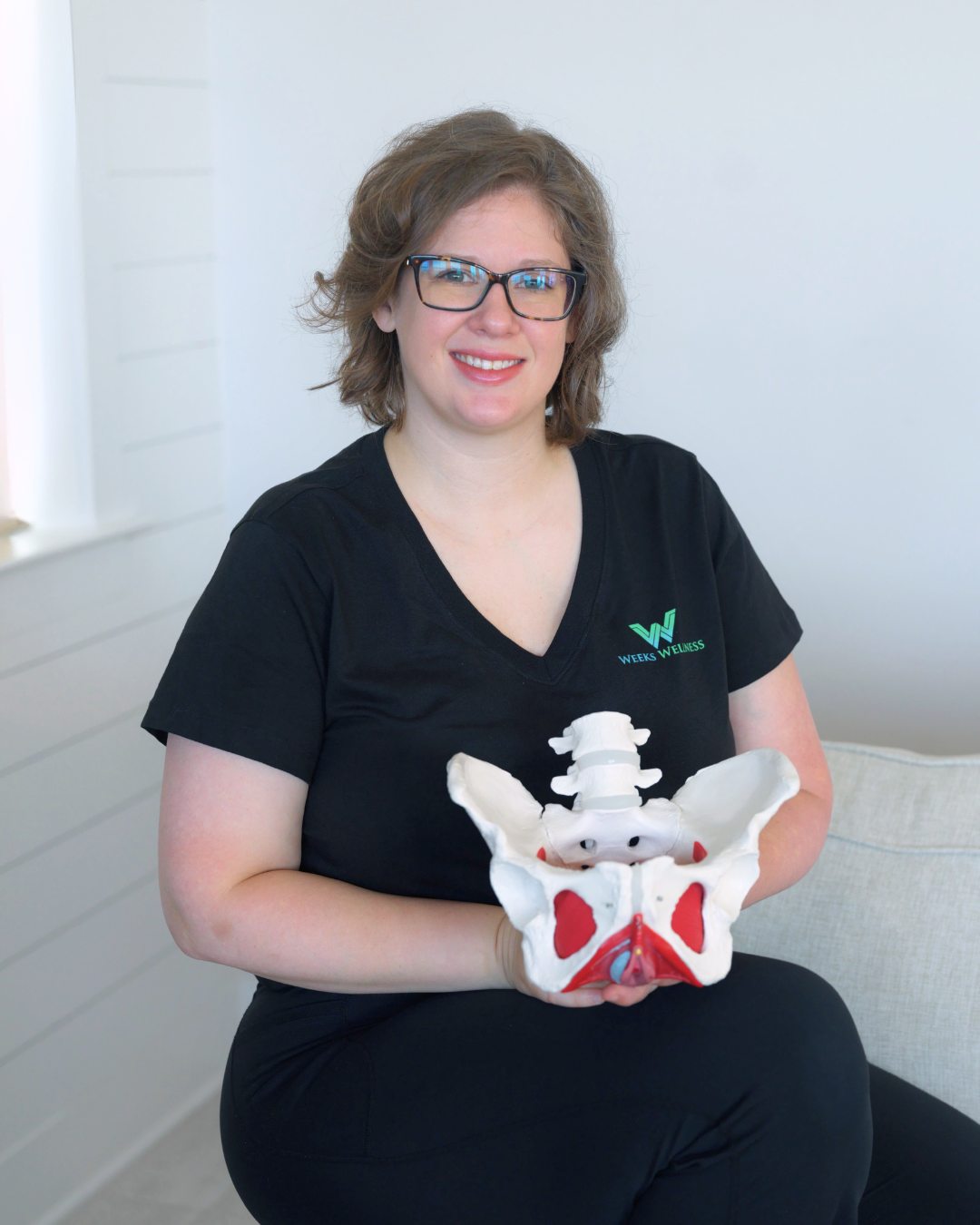
Melissa Harris
OTR/L, CLT, PRPC | Serving Tallahassee, Florida
-
![]()
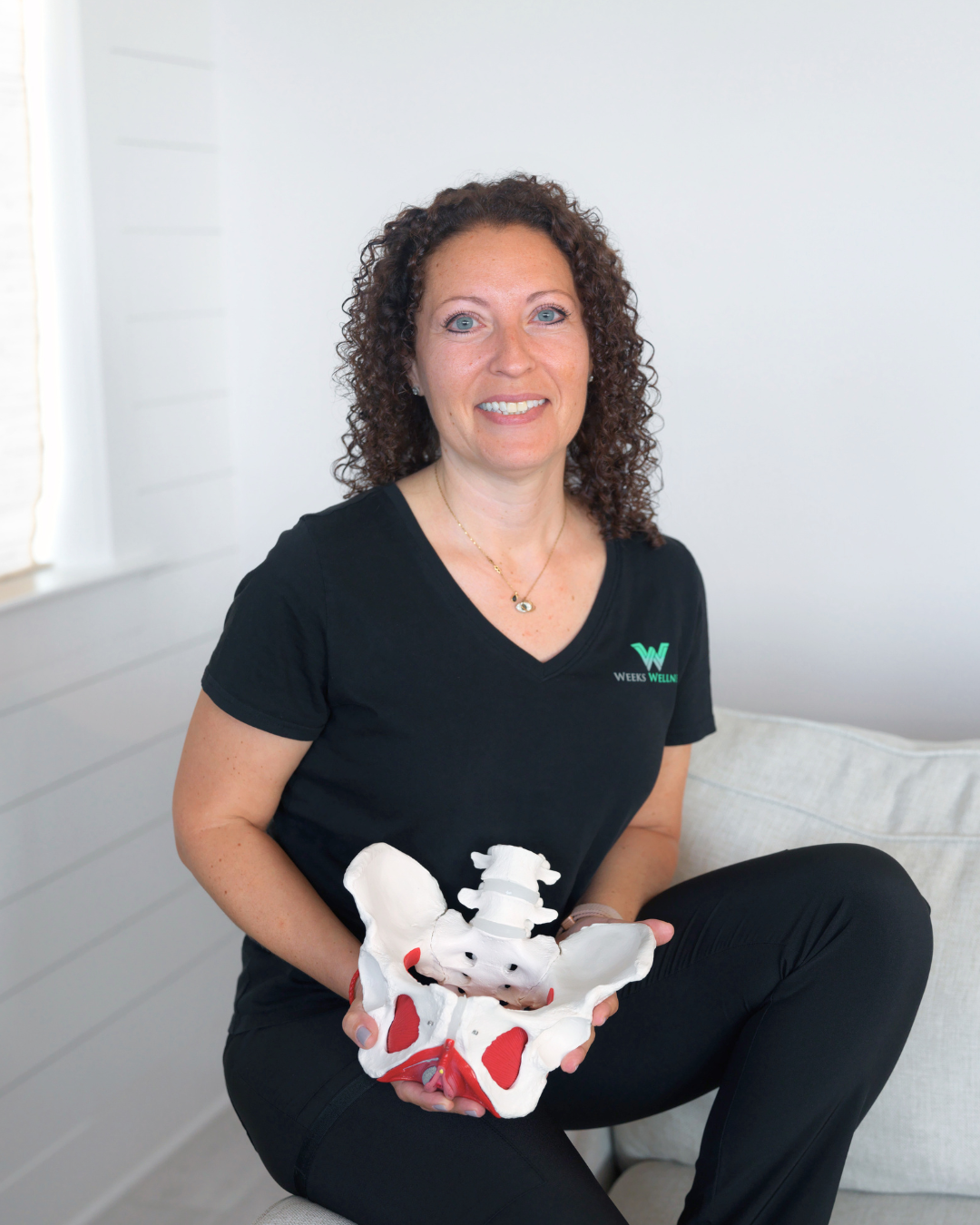
Dr. Melissa Kate Urrutia
Serving Tallahassee, Florida
-
![]()
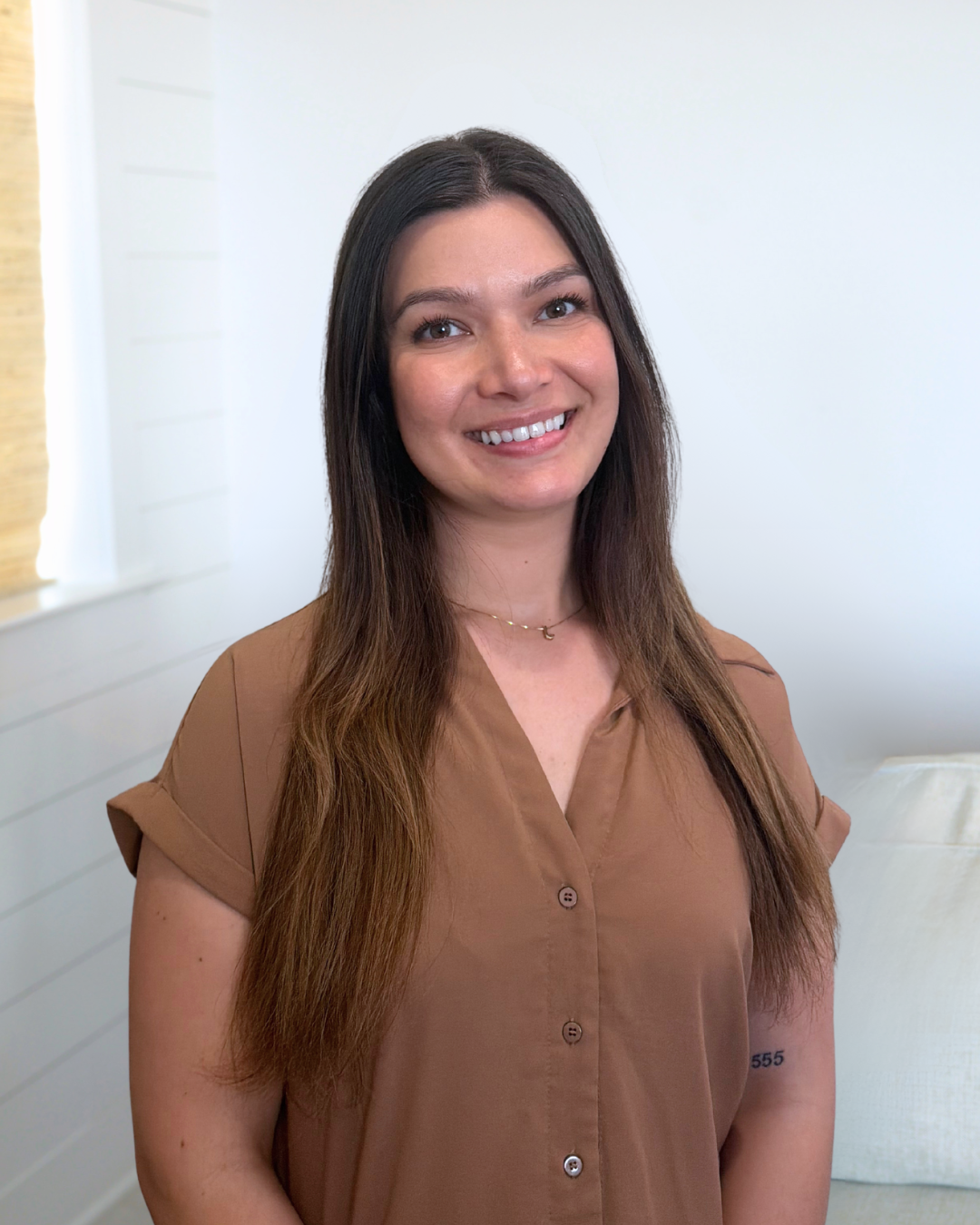
Dr. Lynn Gray-Meltzer
Serving Arlington and Cambridge, Massachusetts
-
![]()
Dr. Kimberly Norton
Serving Cambridge and Woburn, Massachusetts
-
![]()
Susan Master
Serving Cary, North Carolina
-
![]()
Dr. Megen Myers
Serving Land O’ Lakes, Florida
-
![]()
Dr. Jennie Martinez
Serving Littleton, Colorado
-
![]()
Dr. Sophia Bubrick
Serving Woodland Hills, California
-
![]()
Cindy Bozik
Serving Parrish, Florida
-
![]()
Dr. Sophie Nash
Serving Cambridge, Massachusetts
-
![]()
Kaitlin Kean
Serving Arlington, Massachusetts





FAQs
Is it normal for kids to have bladder or bowel problems?
1
Occasional accidents can be part of development, but persistent issues beyond expected developmental stages may indicate a coordination or functional issue. Pelvic floor physical therapy can help identify and address these patterns.
What causes pediatric pelvic floor dysfunction?
2
Common contributing factors include:
Delayed bladder or bowel control development
Constipation and stool withholding habits
Poor pelvic floor muscle coordination
Sensory processing differences
Stress, anxiety, or changes in routine
Post-surgical changes or medical history
Do we need a doctor’s referral?
3
In many cases, a referral is not required.
Is this approach stressful or uncomfortable for kids?
4
No. Sessions are designed to be gentle, supportive, and age-appropriate. The goal is to make children feel safe and confident while learning better control and awareness.
Take the First Step Toward Relief