Ehlers-Danlos Syndrome & Hypermobility Treatment at Weeks Wellness
Specialized Care for Ehlers-Danlos Syndrome and Hypermobility
Living with Ehlers-Danlos Syndrome (EDS) can feel overwhelming. Chronic pain, frequent injuries, joint instability, fatigue, digestive issues, pelvic floor dysfunction, and nervous system symptoms often affect every aspect of daily life.
At Weeks Wellness, we understand that EDS is much more than being "double-jointed." Our multidisciplinary team provides comprehensive, individualized care designed to help people with hypermobility and Ehlers-Danlos Syndrome from a holistic perspective including pelvic floor, nutrition, and athletic training.
Whether you've recently been diagnosed or have spent years searching for answers, we're here to help.
How We Treat Ehlers-Danlos Syndrome and hypermobility at Weeks Wellness
Our physical therapists specialize in helping individuals with hypermobility build strength and stability without overloading vulnerable tissues.
Treatment may include:
-
Targeted exercises designed to improve the strength and coordination of the muscles that support your joints. For individuals with hypermobility and EDS, these exercises help reduce excessive joint movement, improve stability, and decrease the risk of injury and dislocations.
-
Focuses on activating and strengthening the deep muscles of the abdomen, back, diaphragm, and pelvic floor that provide essential support for the spine and pelvis. A stronger core can improve posture, balance, and overall movement efficiency while reducing strain on the body.
-
Proprioception is your body's ability to sense where it is in space. Many people with EDS experience decreased joint awareness, which can contribute to instability and injury. These exercises improve coordination, body awareness, balance, and confidence during daily activities.
-
Addresses the way you move during everyday tasks such as walking, lifting, reaching, bending, and exercising. By improving movement patterns, we help reduce unnecessary stress on joints and tissues while enhancing overall function and efficiency.
-
Rather than avoiding activity altogether, we help you identify ways to safely participate in work, exercise, sports, and daily life. This may include adjustments to technique, pacing, positioning, or exercise selection to minimize symptom flare-ups and maximize success.
-
A carefully structured strengthening program that gradually increases resistance and challenge over time. Building strength is critical for improving joint support, enhancing resilience, reducing injury risk, and helping individuals with EDS safely return to desired activities.
-
Customized plans designed to help individuals safely resume sports, fitness routines, recreational activities, or demanding daily tasks. Programs focus on rebuilding strength, stability, endurance, and confidence while reducing the likelihood of setbacks or reinjury.
Conditions Commonly Associated with EDS
Our team frequently works with individuals experiencing:
Hypermobile Ehlers-Danlos Syndrome (hEDS)
Generalized Joint Hypermobility
Hypermobility Spectrum Disorder (HSD)
Postural Orthostatic Tachycardia Syndrome (POTS)
Chronic pain
Fibromyalgia
Pelvic floor dysfunction
TMJ dysfunction
Recurrent injuries
Chronic fatigue
Joint instability
More ways we can support your care

Nutrition and dietetics are often the first step in a functional, collaborative care plan, supporting healing, energy, digestion, and overall body function. Integrated nutrition helps reduce inflammation, improve recovery, and enhance the results of your overall treatment plan.

Functional Medicine
You’ve run the labs. You’ve taken the supplements.
Maybe even tried the latest wellness trend…But deep down, you know: You’re still not getting the answers (or the results) you deserve.

Pelvic Floor Physical Therapy
Our pelvic health specialists provide individualized evaluation and treatment plans to address these concerns while considering the unique needs of hypermobile patients.
Meet Your Care Team
-
![]()
Dr. Michelle Weeks
FOUNDER
-
![]()
Melissa Harris
Serving Tallahassee, Florida
-
![]()
Dr. Melissa Kate Urrutia
Serving Tallahassee, Florida
-
![]()
Dr. Lynn Gray-Meltzer
Serving Arlington and Cambridge, Massachusetts
-
![]()
Dr. Kimberly Norton
Serving Cambridge and Woburn, Massachusetts
-
![]()
Susan Master
Serving Cary, North Carolina
-
![]()
Dr. Megen Myers
Serving Land O’ Lakes, Florida
-
![]()
Dr. Jennie Martinez
Serving Littleton, Colorado
-
![]()
Dr. Sophia Bubrick
Serving Woodland Hills, California




Ehlers-Danlos Syndrome & hypermobility Treatment Locations
-
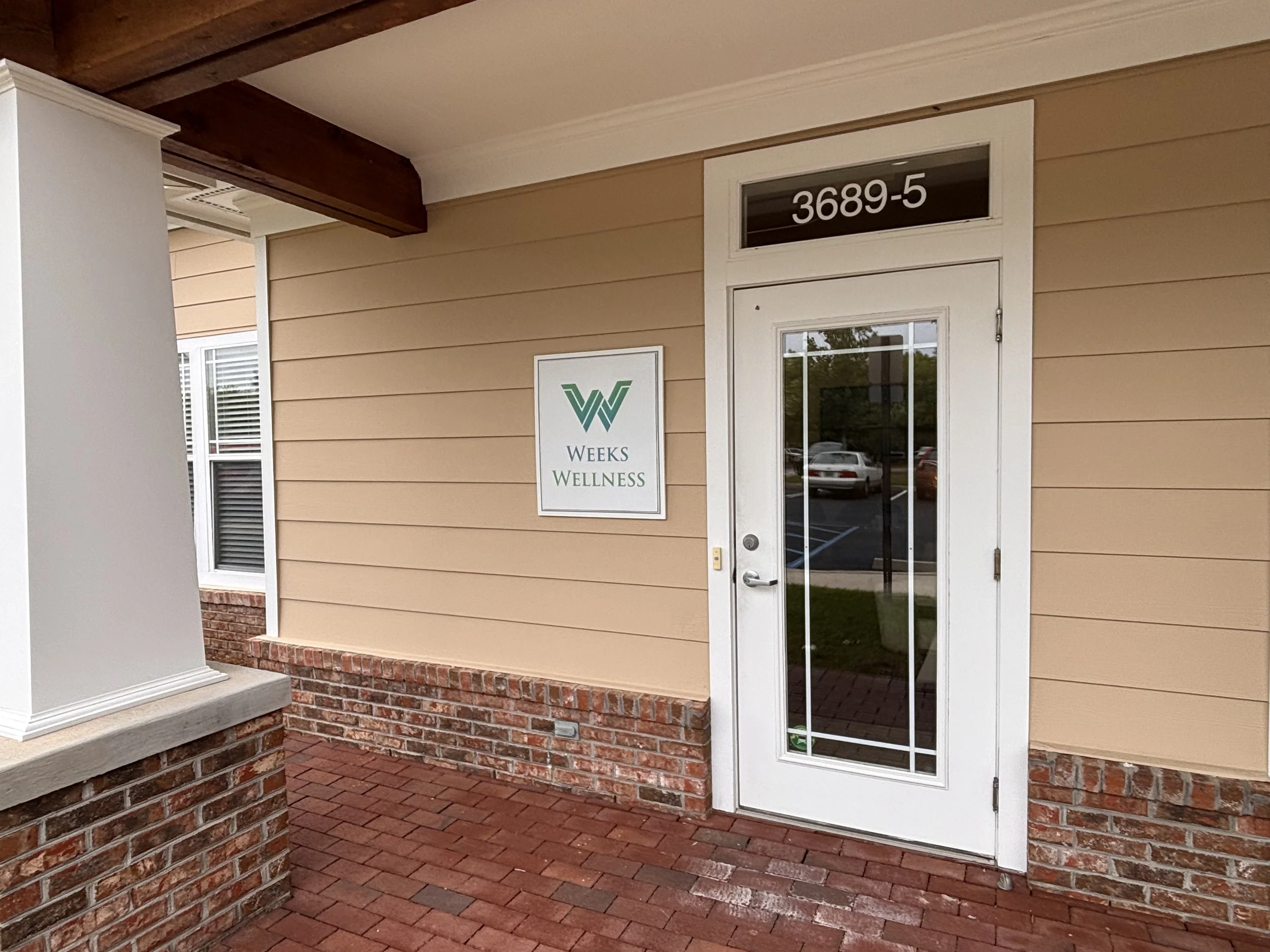
3689 Coolidge COURT, Unit 5,
Tallahassee, FL 32311Call: 850.750.0166
Text: 850.750.0166
Email: info@weekswellness.com -
Inside Sculpt Body Bar
2716 Stonewood Park Loop Land O’lAkes, FL 34638Call: 813.705.7860
Text: 813.705.7860
Email: info@weekswellness.com -
8332 US 301 N.
Parrish, Florida 34219
(Inside Anytime Fitness)Call: 941.394.1966
Text: 941.394.1966
Email: info@weekswellness.com -
675 Massachusetts Avenue, Cambridge, MA, 02139
Call: 857.597.7773
Text: 857.597.7773Email: info@weekswellness.com
-
The Professional Building 94 Pleasant St Suite 102 Arlington, MA 02476
Call: 339.329.8550
Text: 339.329.8550
Email: info@weekswellness.com -
Century Suites, 100 Trade Center, South Suite G-700 Woburn, MA 01801
Call: 781.650.2781
Text: 781.650.2781
Email: info@weekswellness.com -
164 Washington St. Suite 202 Norwell, MA 02061 (Inside Still Within)
Call: 781.630.7804
Text: 781.630.7804Email: info@weekswellness.com
-
5959 Topanga Canyon Blvd Unit 140 Woodland Hills, CA 91367
Call: 747.204.2936
Text: 747.204.2936
Email: info@weekswellness.com -
10394 W Chatfield Ave Unit 105 Littleton, CO 80127
Call: 720.821.7370
Text: 720.821.7370
Email: info@weekswellness.com -
1220 SE Maynard Rd, Ste. 203, Cary NC, 27511
Email: info@weekswellness.com
FAQs
Can physical therapy help Ehlers-Danlos Syndrome?
1
Yes. Physical therapy is one of the most effective tools for managing EDS symptoms. A specialized program can improve stability, strength, body awareness, and function while reducing pain and injury risk.
Do you treat Hypermobile EDS?
2
Absolutely. Our team regularly works with individuals diagnosed with Hypermobile Ehlers-Danlos Syndrome (hEDS), Hypermobility Spectrum Disorder (HSD), and generalized joint hypermobility.
Can EDS affect the pelvic floor?
3
Yes. Connective tissue laxity and altered muscle function can contribute to pelvic floor symptoms including pain, prolapse, urinary issues, and bowel dysfunction.
Do I need a formal diagnosis to start treatment?
4
No. Many people seek care because they suspect they may be hypermobile or experience symptoms consistent with EDS. Our team can evaluate your concerns and help determine the most appropriate treatment approach.
Take the First Step Toward Relief