Pelvic Floor Therapy for Women
Your pelvic floor does more than you think — and it deserves expert care.
Leaking, pain, pressure — these are signals. Not sentences.
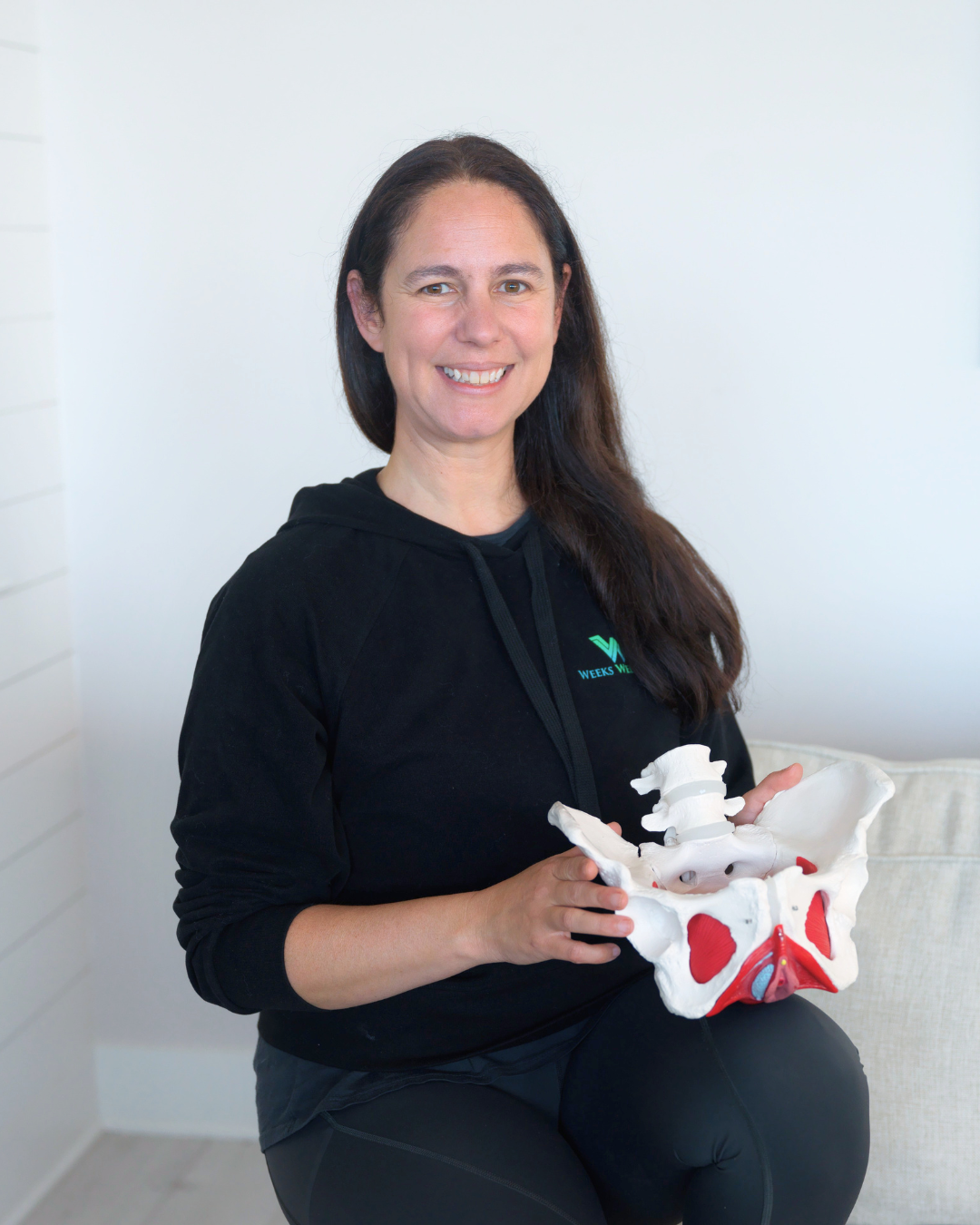
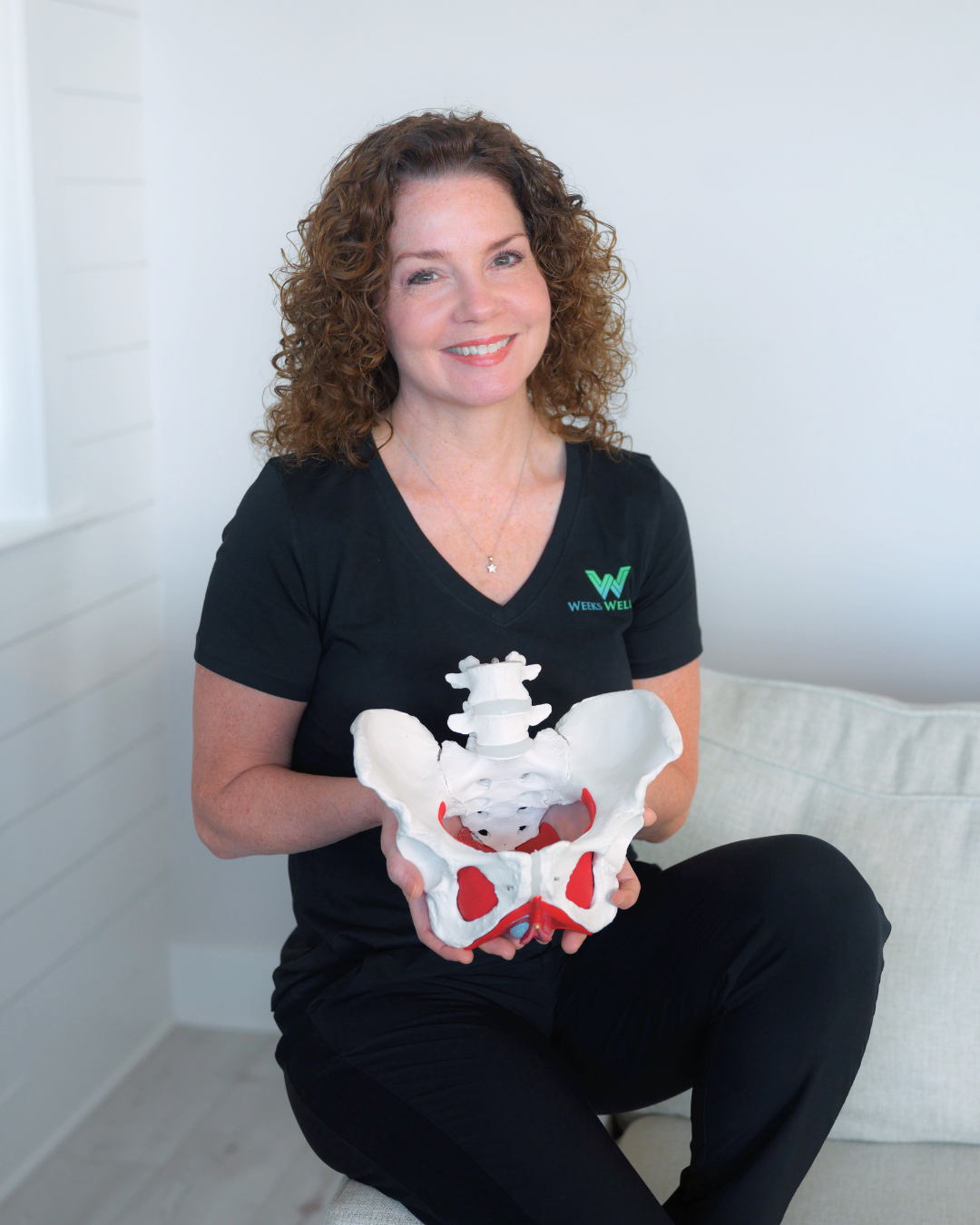
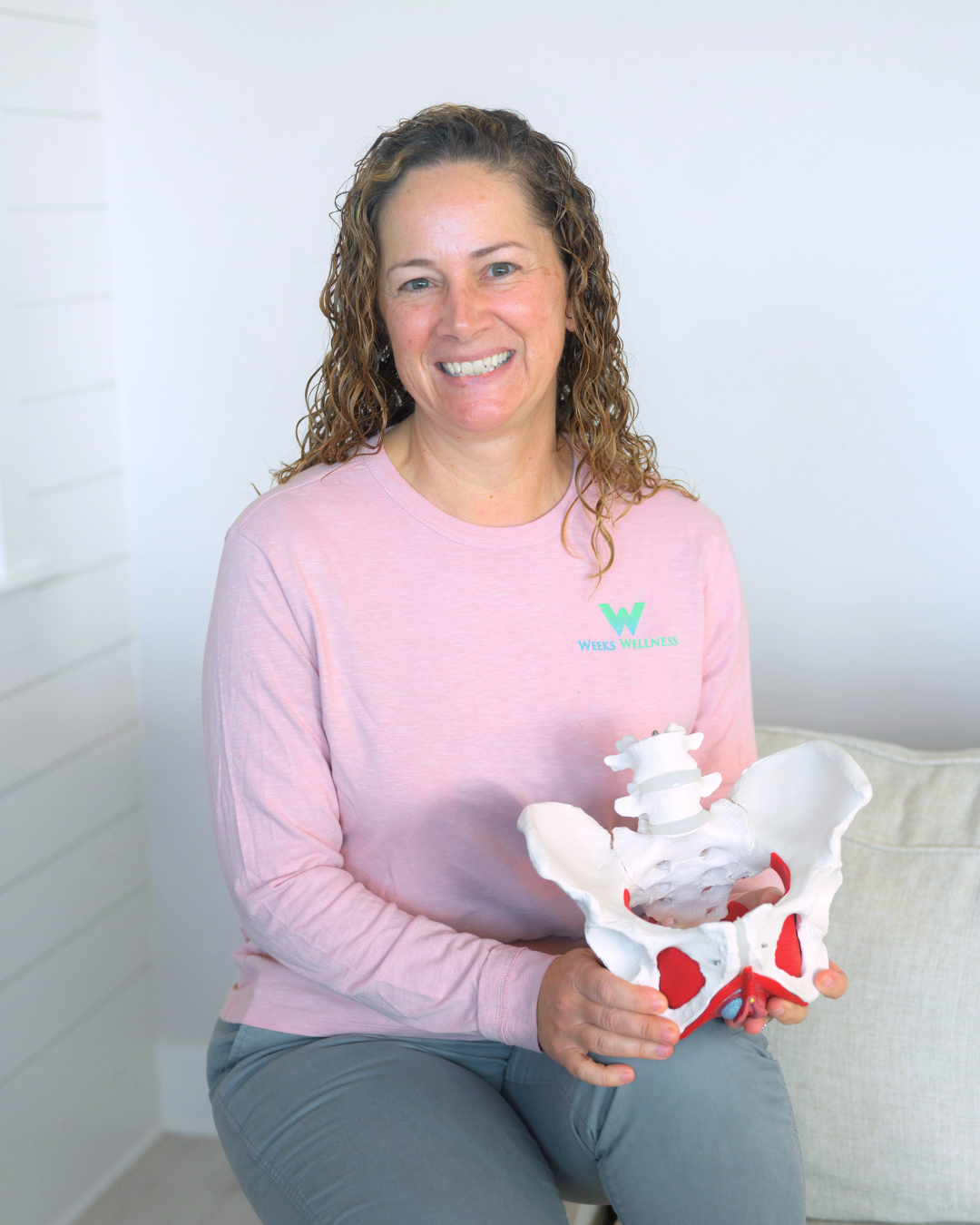
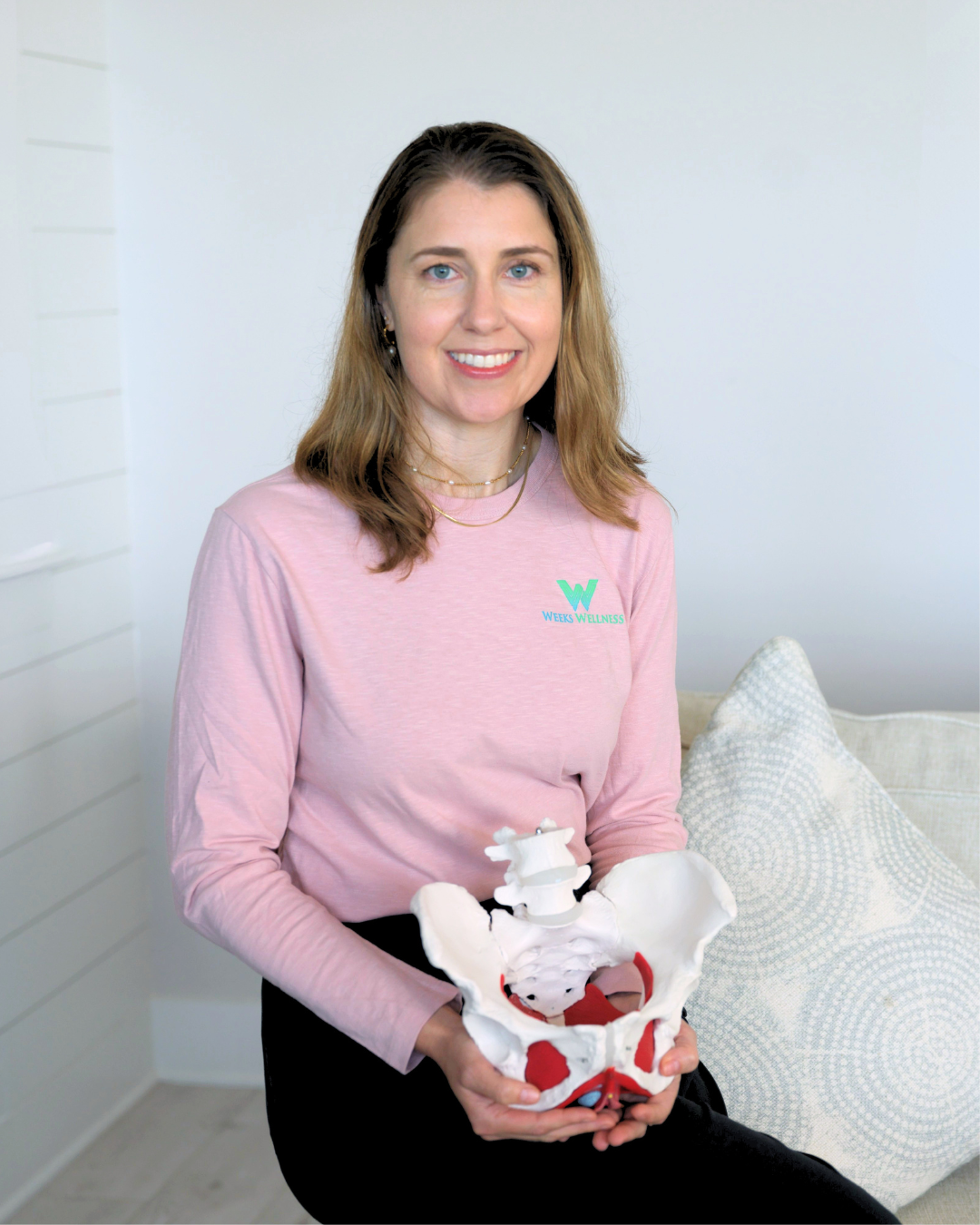
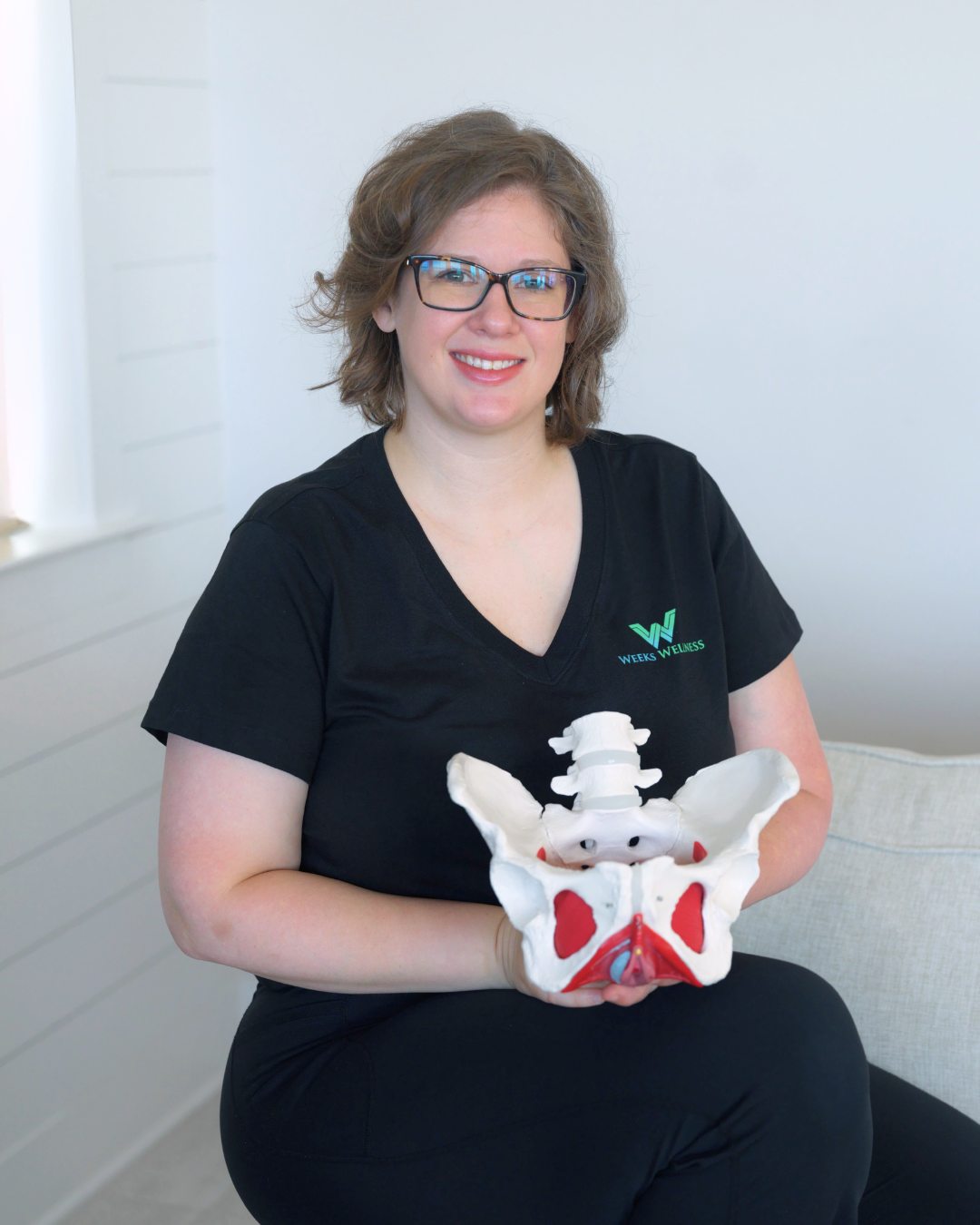
Female pelvic floor physical therapy is specialized care focused on the muscles, ligaments, fascia, and nerves that support the bladder, uterus, and bowel. These structures do a tremendous amount of work — through pregnancy, postpartum recovery, hormonal shifts, and the demands of daily life.
When they're over-stretched, too tight, or poorly coordinated, symptoms develop that affect everything from how you exercise to how you sleep. Our therapists provide individualized assessment and treatment to restore function and help you feel at home in your body again.
Common Symptoms We Treat
Most pelvic pain stems from hypertonic (too-tight) muscles — not weakness. We assess the full picture before touching a single exercise.
-
Loss of bladder control that may happen with coughing, sneezing, exercise, or a sudden strong urge to urinate. This can be related to pelvic floor weakness, overactivity, or poor coordination of the muscles that support bladder function.
-
A feeling of heaviness, dragging, or pressure in the pelvic region, often described as something “falling out” or bulging. This can occur when the pelvic floor muscles are not providing enough support to the pelvic organs.
-
Pain during penetration or sexual activity that may feel like tightness, burning, or sharp discomfort. This can be associated with involuntary muscle guarding, tissue sensitivity, or pelvic floor dysfunction involving conditions such as Vaginismus, Dyspareunia, or Vestibulodynia.
-
Ongoing discomfort or aching in the pelvic region, lower abdomen, or tailbone that may worsen with sitting, movement, or prolonged activity. This is often related to muscle tension, nerve irritation, or movement imbalances in the pelvic floor and surrounding structures.
-
Pelvic pain and muscle tightness associated with Endometriosis. The pelvic floor often becomes overactive in response to chronic pain, contributing to tension, pain with movement, and functional limitations.
-
Difficulty with bowel movements such as straining, infrequent stools, or a sudden urgent need to go. These symptoms can be related to pelvic floor coordination issues that affect how the muscles relax and contract during elimination.
-
Difficulty engaging core and pelvic floor muscles properly during movement, often leading to leaking, poor stability, or discomfort with workouts. This can limit performance and increase the risk of compensatory strain in other areas of the body.
Female Pelvic Floor Therapy Locations
-
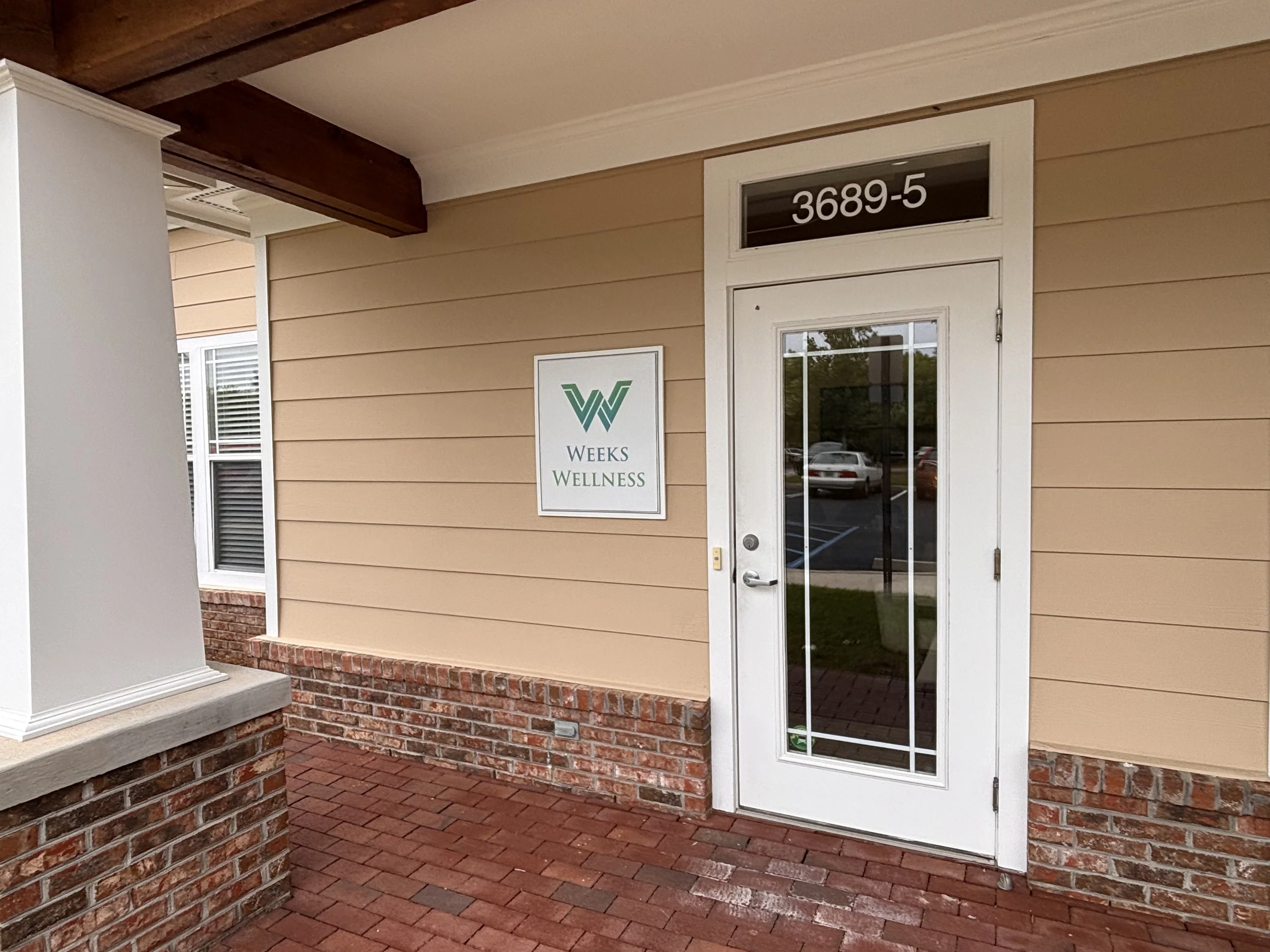
3689 Coolidge COURT, Unit 5,
Tallahassee, FL 32311Call: 850.750.0166
Text: 850.750.0166
Email: info@weekswellness.com -
Inside Sculpt Body Bar
2716 Stonewood Park Loop Land O’lAkes, FL 34638Call: 813.705.7860
Text: 813.705.7860
Email: info@weekswellness.com -
8332 US 301 N.
Parrish, Florida 34219
(Inside Anytime Fitness)Call: 941.394.1966
Text: 941.394.1966
Email: info@weekswellness.com -
675 Massachusetts Avenue, Cambridge, MA, 02139
Call: 857.597.7773
Text: 857.597.7773Email: info@weekswellness.com
-
The Professional Building 94 Pleasant St Suite 102 Arlington, MA 02476
Call: 339.329.8550
Text: 339.329.8550
Email: info@weekswellness.com -
Century Suites, 100 Trade Center, South Suite G-700 Woburn, MA 01801
Call: 781.650.2781
Text: 781.650.2781
Email: info@weekswellness.com -
5959 Topanga Canyon Blvd Unit 140 Woodland Hills, CA 91367
Call: 747.204.2936
Text: 747.204.2936
Email: info@weekswellness.com -
10394 W Chatfield Ave Unit 105 Littleton, CO 80127
Call: 720.821.7370
Text: 720.821.7370
Email: info@weekswellness.com -
1220 SE Maynard Rd, Ste. 203, Cary NC, 27511
Email: Info@weekswellness.com
More ways we can support your care

Nutrition & Dietetics
Nutrition and dietetics are often the first step in a functional, collaborative care plan, supporting healing, energy, digestion, and overall body function. Integrated nutrition helps reduce inflammation, improve recovery, and enhance the results of your overall treatment plan.
Functional Medicine
You’ve run the labs. You’ve taken the supplements.
Maybe even tried the latest wellness trend…But deep down, you know: You’re still not getting the answers (or the results) you deserve.
Orthopedic Care
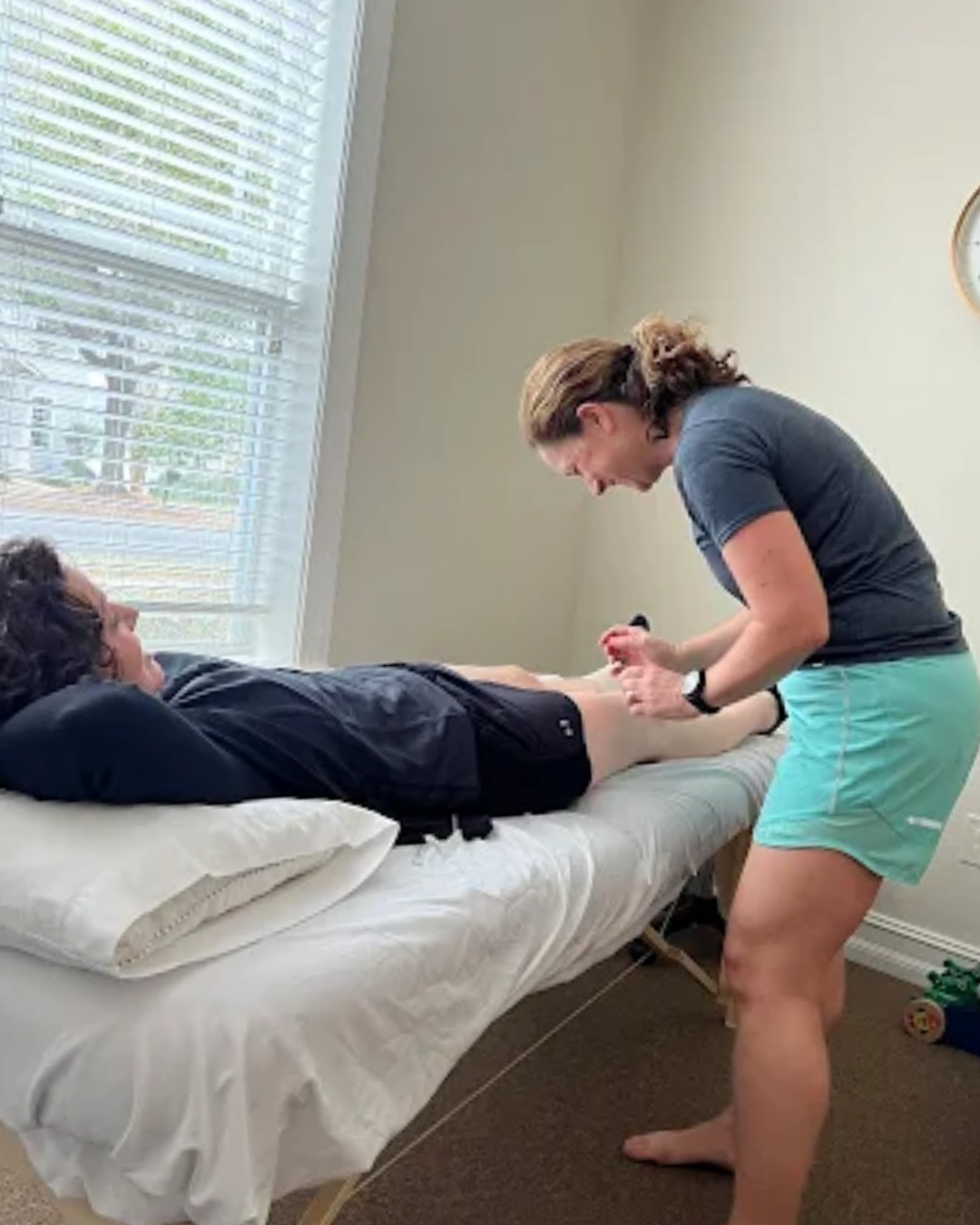
Our orthopedic specialists provide comprehensive care for musculoskeletal conditions and injuries. From joint pain to post-operative rehabilitation, we utilize evidence-based practices to improve mobility, reduce pain, and enhance functional recovery.
Meet Your Weeks Wellness Collaborative Team
-
![]()
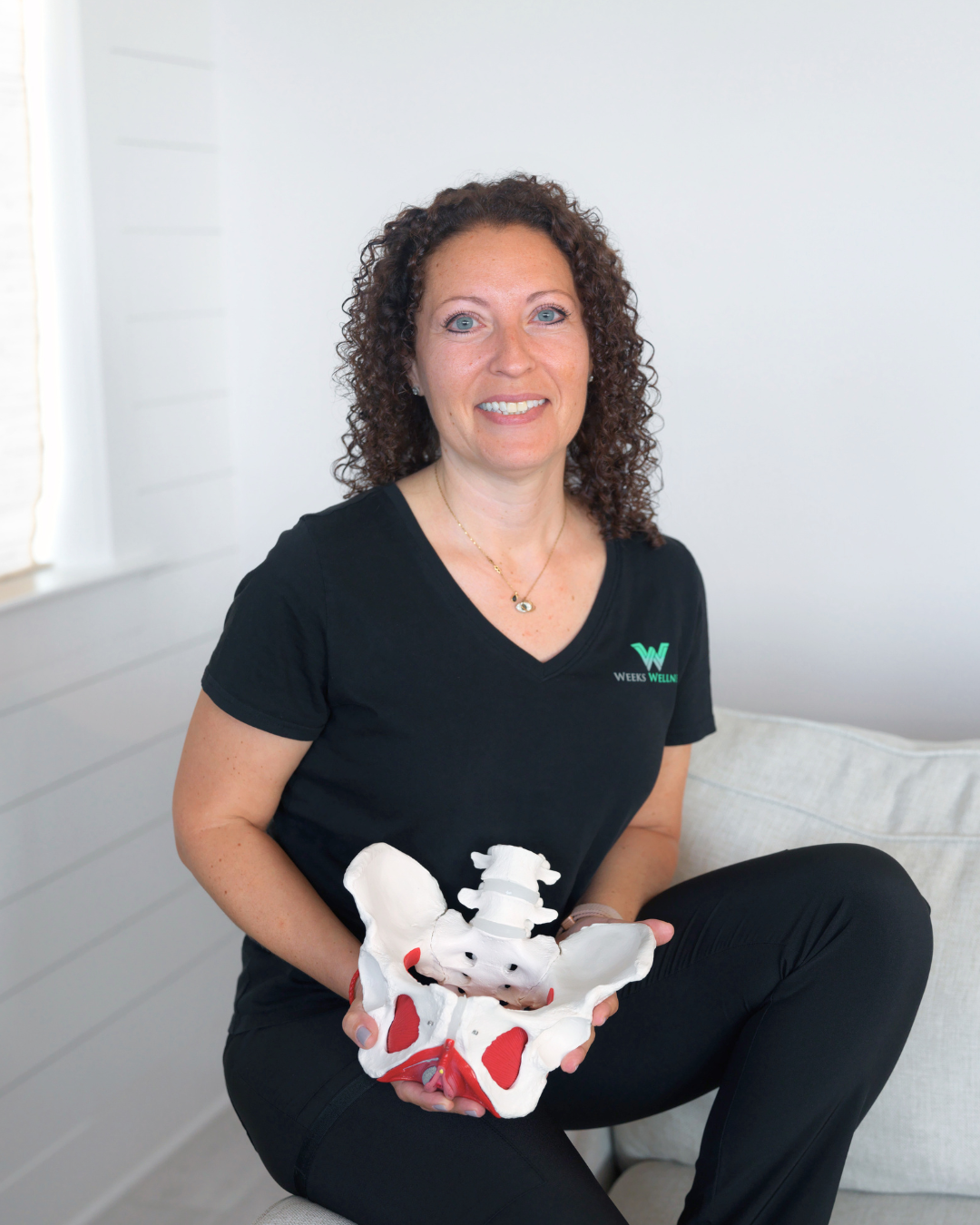
Dr. Michelle Weeks
FOUNDER | Serving Patients in Tallahassee, Florida
-
![]()
Melissa Harris
OTR/L, CLT, PRPC | Serving Tallahassee, Florida
-
![]()
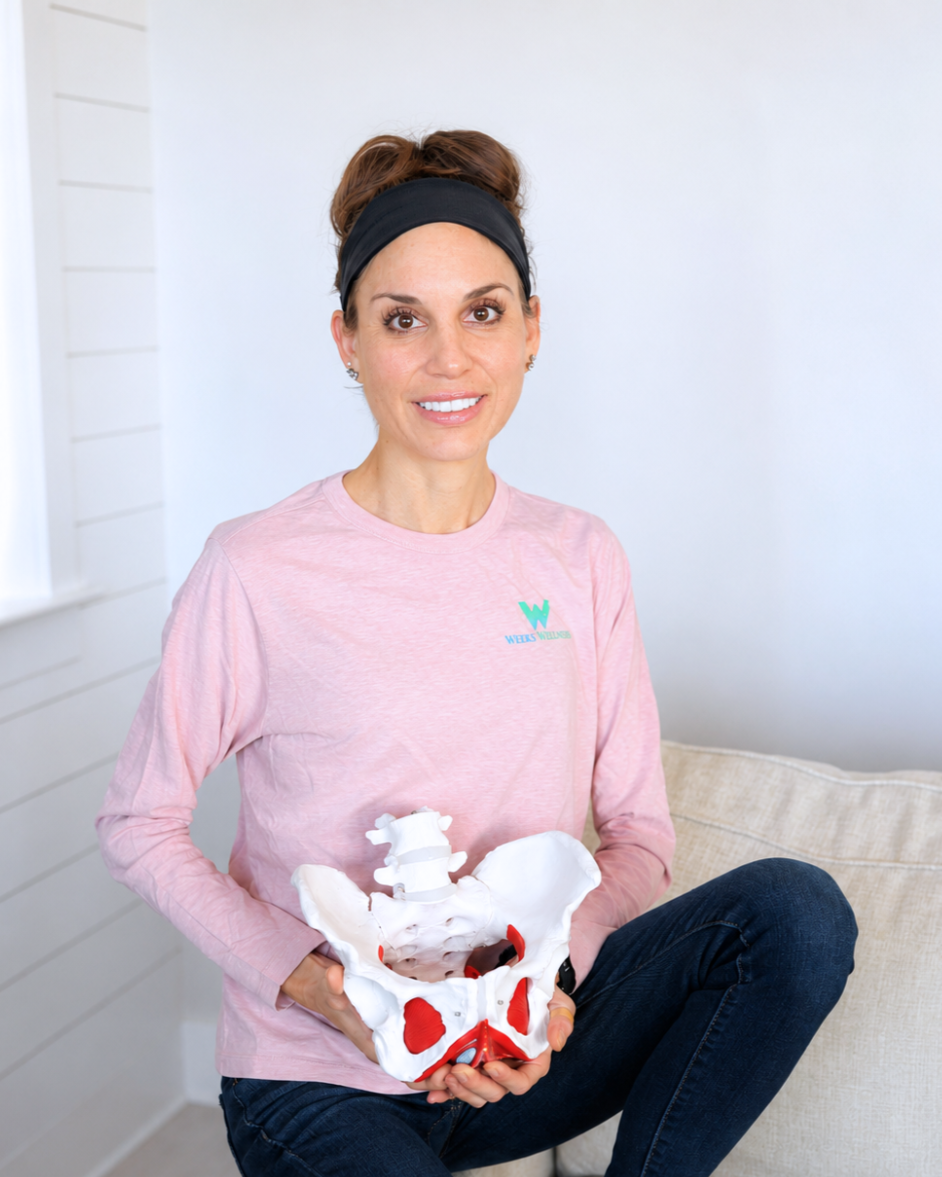
Dr. Melissa Kate Urrutia
Serving Tallahassee, Florida
-
![]()
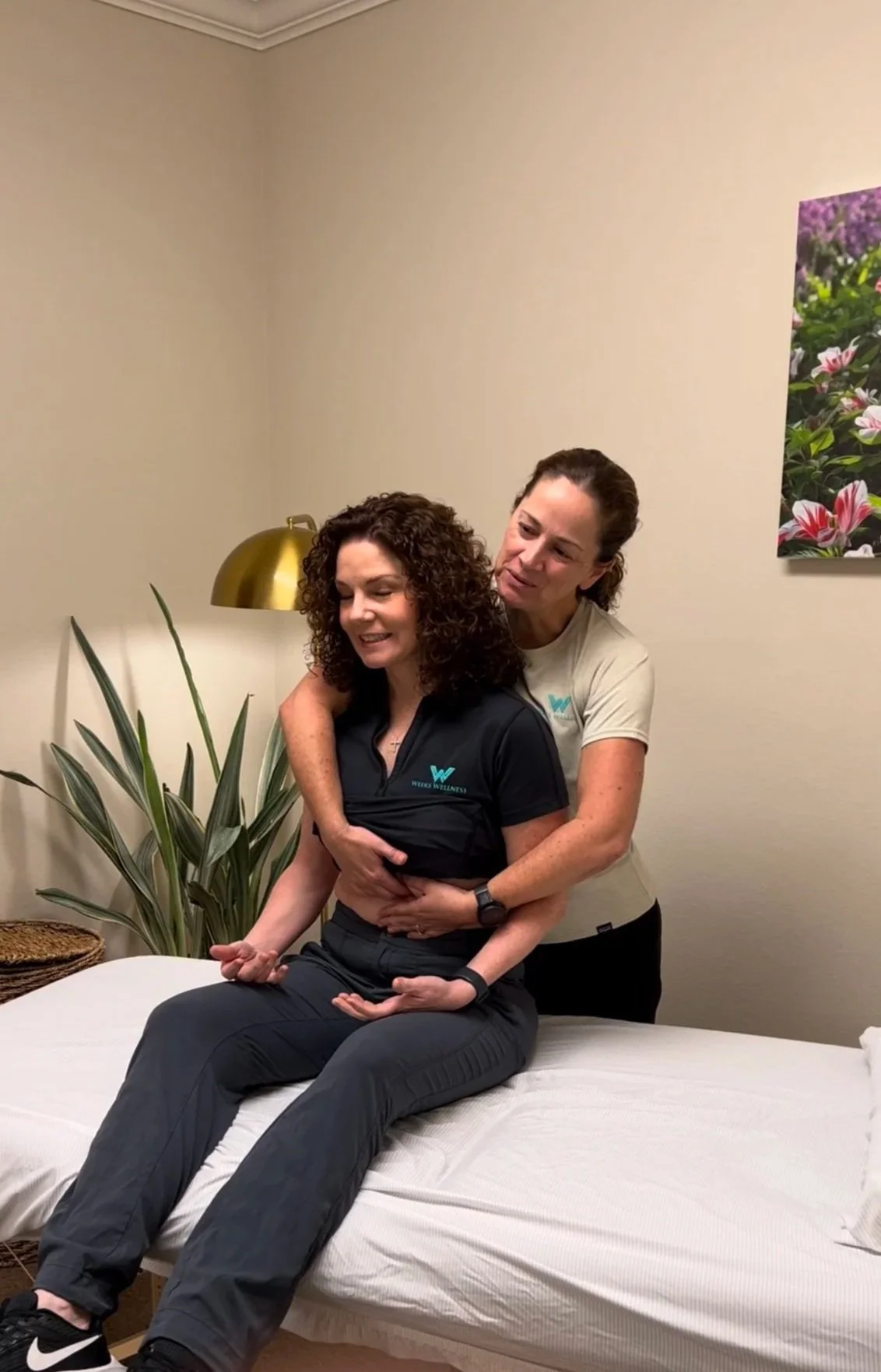
Dr. Lynn Gray-Meltzer
Serving Arlington and Cambridge, Massachusetts
-
![]()
Dr. Kimberly Norton
Serving Cambridge and Woburn, Massachusetts
-
![]()
Susan Master
Serving Cary, North Carolina
-
![]()
Dr. Megen Myers
Serving Land O’ Lakes, Florida
-
![]()
Dr. Jennie Martinez
Serving Littleton, Colorado
-
![]()
Dr. Sophia Bubrick
Serving Woodland Hills, California
-
![]()
Cindy Bozik
Serving Parrish, Florida
-
![]()
Dr. Sophie Nash
Serving Cambridge, Massachusetts
-
![]()
Kaitlin Kean
Serving Arlington, Massachusetts




“Weeks Wellness stands out as a place that truly values whole-body health and personalized care. The team is passionate, knowledgeable, and committed to helping people feel their best. You can tell they put thought into creating a calm, welcoming environment, and they offer a range of services that support long-term wellness.
If you're looking for a practice that takes a more thoughtful and holistic approach to health, Weeks Wellness definitely deserves a look!”
— J. A. | Google ReviewFAQs
Is pelvic floor physical therapy only for postpartum women?
1
No. While postpartum recovery is a common reason women seek care, pelvic floor dysfunction can affect women at any stage of life, including during pregnancy, menopause, or even without childbirth history.
Can pelvic floor physical therapy help with painful sex?
2
Yes. Pelvic floor physical therapy is commonly used to treat pain with intercourse by addressing muscle tightness, sensitivity, and coordination issues that can contribute to discomfort.
Is pelvic floor physical therapy helpful during pregnancy?
3
Yes. It can help reduce back and pelvic pain, improve core stability, prepare the body for labor, and reduce the risk of postpartum dysfunction.
What should I wear to my appointment?
4
Wear comfortable, loose-fitting clothing that allows for movement, such as leggings or athletic wear.
Take the First Step Toward Relief