
Why Does It Hurt When I Try to Insert a Tampon?
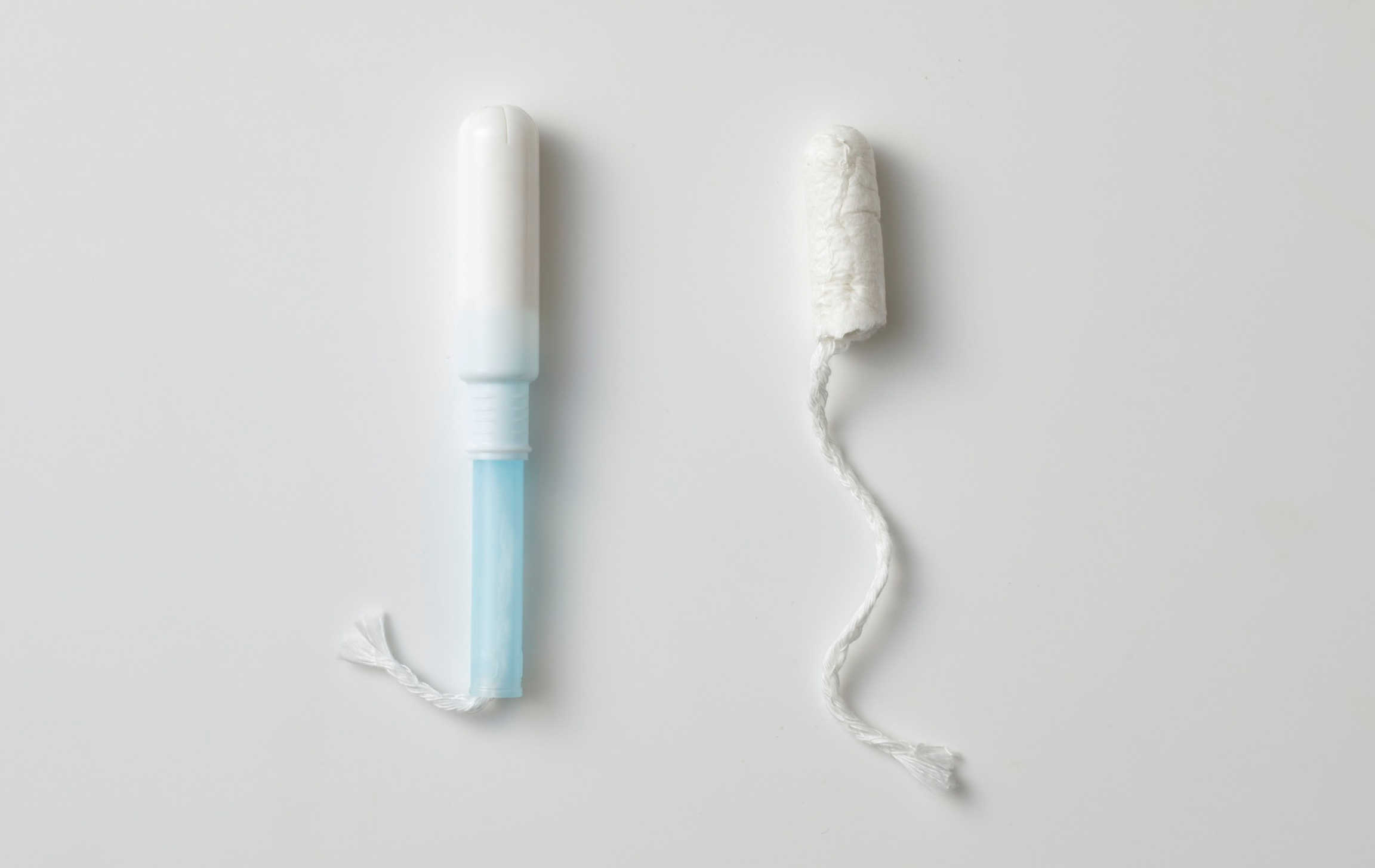
If inserting a tampon is painful, uncomfortable, or feels impossible, you are not alone. Many people experience pain with tampon insertion, but that does not mean you simply have to live with it.
Pain with tampon insertion can happen for several reasons, including pelvic floor muscle tension, vaginal dryness, irritation, hormonal changes, or conditions that cause pelvic pain. Understanding what is causing the discomfort is the first step toward finding the right support.
What Should Inserting a Tampon Feel Like?
For most people, inserting a tampon should not be painful. You may notice some pressure or mild awareness, especially if you are new to using tampons, but sharp pain, burning, significant discomfort, or feeling like the tampon cannot go in may indicate that something else is going on.
If you consistently experience pain when inserting a tampon, it is worth talking with a healthcare provider rather than forcing yourself through the discomfort.
Why Does Inserting a Tampon Hurt?
1. Your pelvic floor muscles may be too tight
Your pelvic floor is a group of muscles that supports your bladder, bowel, and reproductive organs. These muscles also play an important role in sexual function and vaginal penetration.
When the pelvic floor muscles are overly tight or unable to relax, inserting a tampon can feel painful or difficult. You may feel like there is resistance or that your body is involuntarily tightening when you try to insert something.
This can happen even if your pelvic floor muscles are otherwise strong.
2. You may not be using enough lubrication
Tampons are designed to be inserted during menstruation, but there are times when vaginal dryness can make insertion uncomfortable.
Hormonal changes, certain medications, breastfeeding, stress, and other factors can contribute to vaginal dryness. Trying to insert a tampon when your flow is very light may also cause more friction.
3. Your body may be anticipating pain
If tampon insertion has hurt in the past, it is understandable to become nervous or tense the next time you try.
Your nervous system and pelvic floor are closely connected. Anticipating pain can cause the pelvic floor muscles to tighten without you consciously trying to contract them. This can create a cycle where fear or anticipation leads to muscle tension, which leads to more pain.
4. Irritation or infection could be causing discomfort
Vaginal or vulvar irritation can make tampon insertion painful. Yeast infections, bacterial vaginosis, sexually transmitted infections, skin conditions, or other forms of irritation may cause symptoms such as burning, itching, unusual discharge, or pain.
If you have these symptoms, a medical provider can help determine whether an infection or another condition needs to be treated.
5. Hormonal changes may affect comfort
Changes in estrogen levels can affect vaginal tissue and lubrication. This can occur during different stages of life, including postpartum, breastfeeding, perimenopause, and menopause.
If you have noticed a recent change in vaginal comfort or pain with insertion, hormonal changes may be one factor worth discussing with your healthcare provider.
6. There may be an underlying pelvic health condition
Pain with tampon insertion can sometimes be associated with conditions such as vaginismus, vulvodynia, endometriosis, or other pelvic pain conditions.
For example, vaginismus involves involuntary tightening of the muscles around the vaginal opening, which can make penetration painful or difficult.
Having pain with tampon insertion does not automatically mean you have one of these conditions. A proper evaluation can help determine what is contributing to your symptoms.
What If I Feel Like a Tampon Won't Go In?
If you feel like a tampon hits a wall, gets stuck at the opening, or your muscles seem to tighten when you try to insert it, don't force it.
Forcing insertion can increase pain and may make you more anxious about trying again.
Instead, consider talking with a healthcare provider or pelvic floor physical therapist. They can help determine whether muscle tension, pain sensitivity, anatomy, hormonal changes, or another issue is contributing to the problem.
Can Pelvic Floor Therapy Help?
In many cases, pelvic floor physical therapy can help people who experience pain with tampon insertion.
A pelvic floor therapist can evaluate how your pelvic floor muscles are functioning and determine whether they are overly tense, weak, or having difficulty relaxing and coordinating properly.
Treatment may include:
Education about your pelvic floor and how it functions
Breathing and relaxation techniques
Techniques to help decrease pelvic floor muscle tension
Gentle mobility and stretching
Coordination exercises
Education about pain and the nervous system
Gradual exposure strategies when appropriate
Treatment is individualized. You should never feel pressured to do something that causes significant pain.
You Don't Have to Push Through the Pain
If you've been thinking, “Maybe I'm just not good at using tampons,” or “This is probably normal for me,” your pain is worth paying attention to.
You don't have to force yourself to use tampons, and you don't have to accept painful insertion as something you simply have to live with.
Pain is your body's way of telling you something deserves attention.
At Weeks Wellness, our pelvic floor physical therapists work with patients experiencing pelvic pain, painful penetration, pelvic floor muscle tension, and other pelvic health concerns. Our goal is to understand what's contributing to your symptoms and create a treatment plan that feels comfortable and appropriate for you.
If inserting a tampon is painful, difficult, or feels impossible, you deserve answers and support.
