
Bladder Pain, Urinary Urgency & Interstitial Cystitis: Understanding the Connection to Your Pelvic Floor
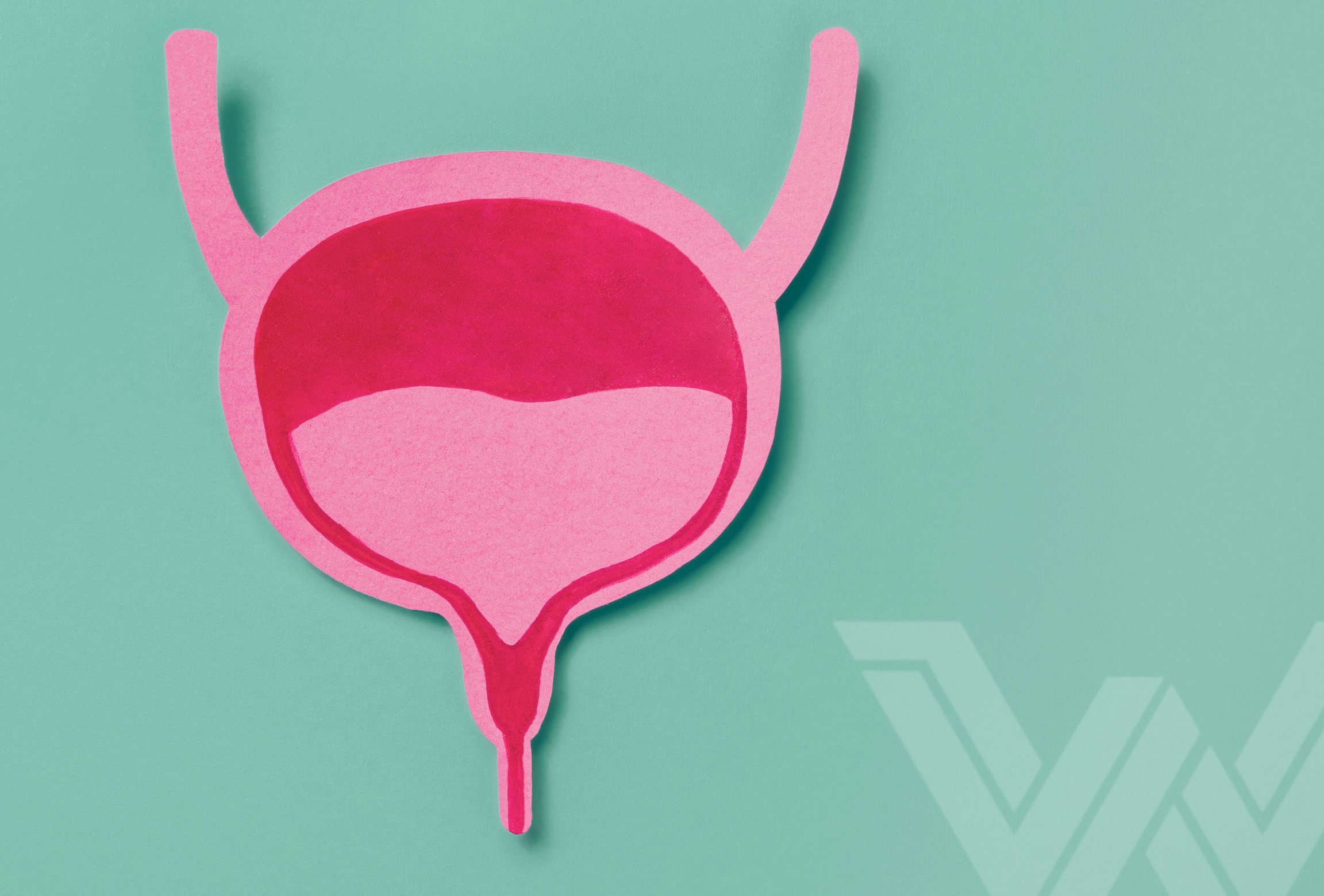
You know when something in your body doesn’t feel right.
Maybe you’re experiencing bladder pressure, discomfort, frequent urges to urinate, or pain that seems to come and go without a clear explanation. Maybe you’ve changed your habits, adjusted your routine, or tried different approaches, but you’re still searching for answers.
If you’ve been diagnosed with interstitial cystitis (IC), also known as bladder pain syndrome, or you’re experiencing symptoms that sound similar, you are not alone.
Many women with bladder symptoms spend years trying to understand what is happening in their bodies. The good news? Your bladder is not the only piece of the puzzle.
The connection between your bladder, pelvic floor muscles, nervous system, and overall health can play an important role in understanding and supporting these symptoms.
What Is Interstitial Cystitis (IC)?
Interstitial cystitis is a chronic bladder condition that can cause bladder discomfort, pelvic pain, urinary urgency, and increased frequency.
Unlike a typical bladder infection, IC is not caused by bacteria. Instead, it is often associated with increased sensitivity and irritation within the bladder and surrounding pelvic tissues.
Common symptoms of IC and bladder pain syndrome may include:
Bladder pressure or discomfort
Feeling like you need to urinate frequently
A strong or sudden urge to urinate
Pelvic pain or aching
Symptoms that worsen as your bladder fills
Pain or discomfort with intimacy
Symptoms that fluctuate with stress, hormones, certain foods, or activity
For many women, these symptoms can affect exercise, sleep, work, relationships, and daily confidence.
Most importantly: these symptoms are common, but they do not have to be your normal.
Why Does Interstitial Cystitis Affect More Than Just the Bladder?
The bladder does not work alone.
Your bladder communicates constantly with the surrounding muscles, tissues, and nerves, including your pelvic floor.
Your pelvic floor muscles:
Support your bladder and pelvic organs
Help control bladder function
Relax during urination
Coordinate with your breathing and core muscles
When these muscles become tight, overactive, or have difficulty relaxing, they may contribute to bladder urgency, pelvic discomfort, and pain.
For many people with IC, the pelvic floor can become part of a cycle:
Bladder irritation → increased muscle tension → more sensitivity → more discomfort
Addressing the pelvic floor may be an important piece of supporting bladder health and reducing symptoms.
How Can Pelvic Floor Therapy Help With IC and Bladder Pain?
Pelvic floor therapy for interstitial cystitis is not about simply strengthening your muscles.
In many cases, the focus is on helping the pelvic floor relax, coordinate, and function properly.
At Weeks Wellness, your clinician will take the time to understand:
Your bladder symptoms
Your pain patterns
Your movement habits
Your pregnancy and postpartum history
Your lifestyle and goals
Your personalized treatment plan may include:
Pelvic floor muscle assessment
Manual therapy techniques
Relaxation and coordination strategies
Breathing and nervous system regulation
Movement modifications
Education around bladder habits and symptom management
The goal is to help you better understand your body and create a plan that supports your recovery.
“I’ve Tried Everything. Why Am I Still Having Symptoms?”
This is something many patients share when they first come to Weeks Wellness.
They have spent months or years:
Avoiding certain activities
Changing their routines
Managing discomfort privately
Feeling like no one understands what they are experiencing
Many people with bladder symptoms are told to simply manage them, but a complete approach looks beyond the bladder alone.
Your symptoms may involve multiple systems working together, including:
Pelvic floor muscles
Nervous system sensitivity
Hormonal changes
Movement patterns
Stress and lifestyle factors
Understanding these connections can help you find more personalized support.
When Should You Consider Pelvic Floor Therapy?
A pelvic floor evaluation may be helpful if you experience:
✓ Bladder pain or pressure
✓ Urinary urgency or frequency
✓ Interstitial cystitis symptoms
✓ Pelvic discomfort
✓ Pain with intimacy
✓ Symptoms that interfere with exercise or daily activities
✓ A feeling that your body does not feel the way it used to
You do not need to wait until symptoms become severe to seek support.
Finding Answers for Bladder Pain Starts With Understanding Your Body
Living with bladder pain or IC symptoms can feel frustrating and isolating, but there are providers who understand the connection between your bladder and pelvic health.
At Weeks Wellness, our pelvic health clinicians specialize in helping women understand their symptoms, identify contributing factors, and create individualized care plans.
Your symptoms are real. Your experience matters. And support is available.
Schedule a pelvic floor evaluation with Weeks Wellness to learn more about how pelvic health therapy may help support your bladder health.
