
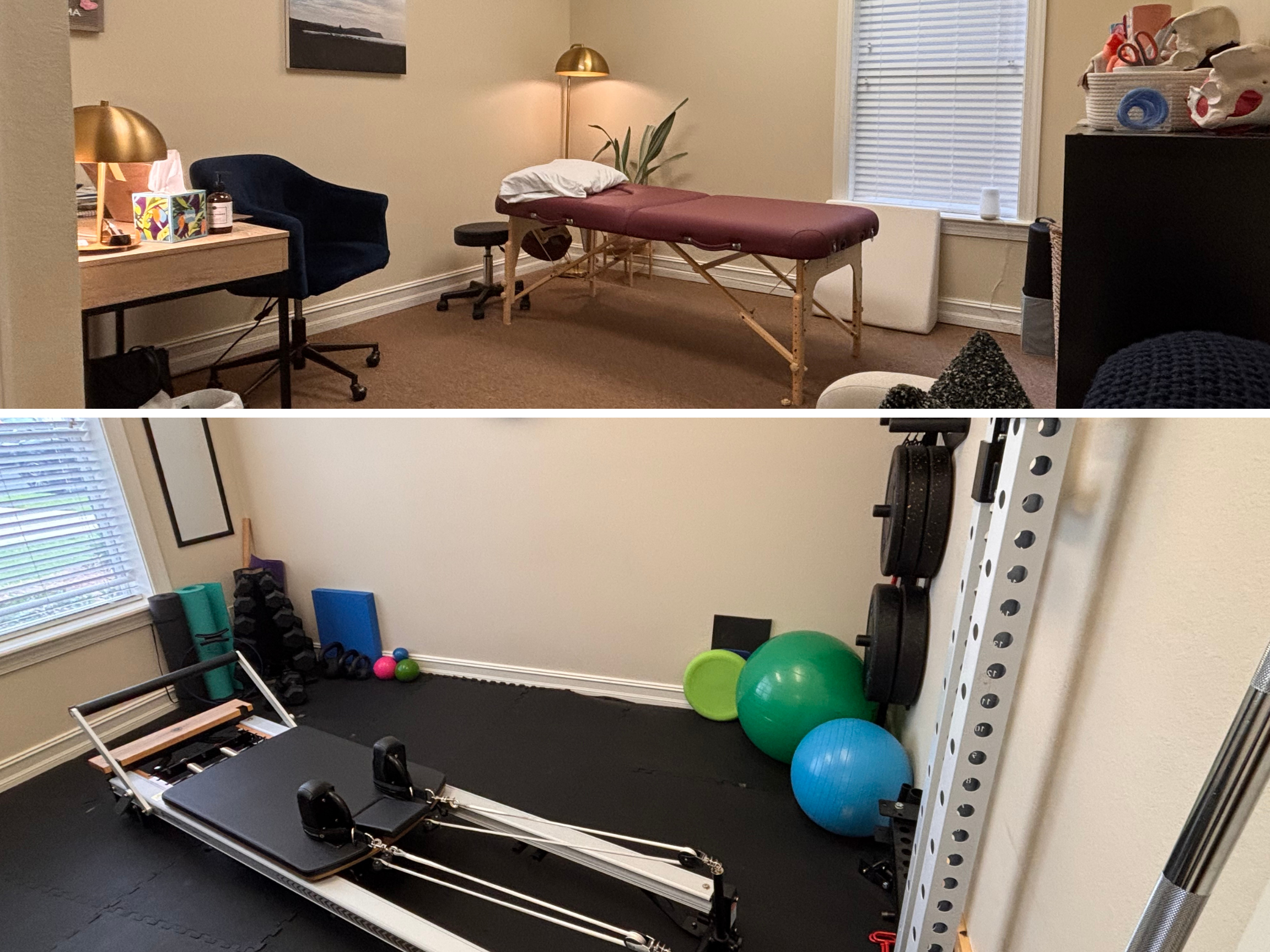
When people hear the term pelvic floor physical therapy, they often associate it with pregnancy, postpartum recovery, or women's health. However, men have pelvic floor muscles, too, and these muscles play an important role in bladder control, bowel function, sexual health, and overall movement.
For many men, pelvic floor dysfunction can contribute to symptoms such as urinary leakage, frequent urination, pelvic pain, difficulty emptying the bladder, and changes in sexual function. These symptoms can develop gradually, following surgery, after an injury, or without an obvious cause.
The good news is that pelvic floor physical therapy can help identify what is contributing to these concerns and provide a specialized approach to improving pelvic health.
At Weeks Wellness, we believe pelvic health care should be accessible to everyone. Understanding how the pelvic floor works is an important first step toward getting the right support.
What Is the Male Pelvic Floor?
The pelvic floor is a group of muscles, connective tissues, and ligaments located at the base of the pelvis. In men, these muscles extend from the pubic bone at the front to the tailbone at the back.
Although they are often overlooked, the pelvic floor muscles serve several important functions, including:
Bladder control: Helping regulate the release of urine and maintain urinary continence.
Bowel function: Supporting bowel movements and helping control the release of stool and gas.
Sexual function: Contributing to erectile function, ejaculation, and orgasm.
Pelvic organ support: Supporting the bladder, prostate, and rectum.
Core stability: Working alongside the abdominal muscles, diaphragm, and back muscles to support movement and stability.
Like any other muscle group, the pelvic floor can become weak, overly tight, poorly coordinated, or unable to relax appropriately. When this happens, men may experience symptoms that interfere with daily activities, exercise, and quality of life.
Signs of Pelvic Floor Dysfunction in Men
Male pelvic floor dysfunction does not always present the same way. Some men experience weakness and difficulty maintaining muscle contractions, while others experience excessive muscle tension or difficulty relaxing the pelvic floor.
Common signs and symptoms include:
1. Urinary Leakage or Incontinence
Urinary leakage can occur during exercise, lifting, coughing, sneezing, or even when transitioning between activities. Some men experience leakage following prostate surgery, while others develop symptoms without a surgical history.
2. Frequent Urination or Urinary Urgency
Feeling like you constantly need to use the bathroom, experiencing sudden urges to urinate, or having difficulty fully emptying your bladder can sometimes be associated with pelvic floor muscle dysfunction.
3. Pelvic Pain or Pressure
Pelvic floor muscle tension can contribute to discomfort in the lower abdomen, groin, perineum (the area between the scrotum and anus), rectum, or tailbone. Some men also experience pain that worsens with prolonged sitting or physical activity.
4. Painful Ejaculation or Changes in Sexual Function
The pelvic floor muscles contribute to sexual function. Excessive muscle tension, poor coordination, or other pelvic health concerns may contribute to painful ejaculation, discomfort during sexual activity, or erectile difficulties.
5. Constipation or Difficulty With Bowel Movements
The pelvic floor needs to relax and coordinate appropriately to allow for comfortable bowel movements. When the muscles remain overly tense or do not coordinate effectively, constipation, straining, and a sensation of incomplete emptying may occur.
6. Discomfort During Exercise or Everyday Activities
Some men notice pelvic discomfort during weightlifting, running, cycling, prolonged sitting, or other physical activities. These symptoms may be related to how the pelvic floor coordinates with the rest of the body.
It is important to remember that these symptoms can have multiple causes. An evaluation by an appropriate healthcare professional can help determine whether pelvic floor dysfunction is contributing to your symptoms.
What Causes Pelvic Floor Dysfunction in Men?
There is no single cause of male pelvic floor dysfunction. Symptoms can develop from a combination of physical, muscular, neurological, and lifestyle factors.
Some common contributing factors include:
Prostate surgery: Procedures such as a prostatectomy can affect the muscles and structures involved in urinary control.
Chronic muscle tension: Stress, habitual muscle guarding, or prolonged tension can contribute to an overactive pelvic floor.
Prolonged sitting: Spending extended periods sitting may contribute to pelvic discomfort in some individuals.
Heavy lifting and exercise: Poor movement coordination, excessive strain, or inadequate pressure management may contribute to pelvic floor symptoms.
Previous injuries or surgeries: Trauma involving the pelvis, hips, lower back, or abdomen can influence pelvic floor function.
Chronic constipation: Repeated straining can place additional stress on the pelvic floor.
Poor muscle coordination: Difficulty coordinating the pelvic floor with breathing, abdominal muscles, and movement can affect how effectively the muscles function.
Understanding the underlying contributors is important because treatment should address the individual's symptoms and functional needs rather than simply focusing on strengthening.
How Can Pelvic Floor Physical Therapy Help Men?
Pelvic floor physical therapy is a specialized form of rehabilitation that focuses on evaluating and treating the muscles, connective tissues, and movement patterns of the pelvic region.
Unlike a generalized exercise program, pelvic floor therapy is individualized based on your symptoms, medical history, physical examination, and goals.
Depending on your needs, treatment may include:
Pelvic Floor Muscle Training
Some men benefit from learning how to properly contract and strengthen their pelvic floor muscles. This may be particularly helpful for men experiencing urinary leakage or recovering from prostate surgery.
However, strengthening is not appropriate for everyone. If the pelvic floor muscles are already overly tight, additional strengthening without addressing muscle relaxation may worsen symptoms.
Pelvic Floor Relaxation and Coordination
Men with pelvic floor tension may benefit from techniques that improve muscle relaxation, coordination, and control. Treatment may include diaphragmatic breathing, relaxation strategies, and exercises designed to reduce unnecessary muscle tension.
Manual Therapy
When appropriate, a pelvic floor physical therapist may use hands-on techniques to address muscle tension, mobility restrictions, and discomfort in the pelvic region, hips, abdomen, or surrounding tissues.
Breathing and Core Coordination
The diaphragm, abdominal muscles, and pelvic floor work together to regulate pressure throughout the body. Learning how to coordinate these muscles during everyday movements, exercise, and lifting can be an important part of rehabilitation.
Movement and Functional Retraining
Your therapist may incorporate exercises that help you return to the activities you enjoy, whether that means lifting weights, running, cycling, working comfortably, or participating in everyday activities without pain or leakage.
Pelvic Floor Therapy After Prostate Surgery
One of the most common reasons men seek pelvic floor physical therapy is recovery following prostate surgery.
A radical prostatectomy, which involves surgical removal of the prostate, can affect the structures responsible for urinary control. As a result, some men experience urinary leakage or incontinence during recovery.
Pelvic floor rehabilitation can be an important part of the recovery process.
A pelvic floor physical therapist can help you:
Understand how to properly activate your pelvic floor muscles.
Improve coordination and strength for urinary control.
Learn how to manage pressure during coughing, lifting, and exercise.
Progress through a personalized rehabilitation program.
Safely return to daily activities as your recovery allows.
Ideally, pelvic floor education and rehabilitation are discussed before surgery when possible. However, men can also benefit from an evaluation after surgery.
Your treatment plan should be coordinated with your surgeon and adjusted based on your healing and individual recovery timeline.
What to Expect During a Men's Pelvic Floor Physical Therapy Appointment
For many men, scheduling their first pelvic floor physical therapy appointment can feel unfamiliar. It is important to understand that these appointments are designed to be professional, respectful, and focused on your comfort and goals.
Your initial evaluation typically includes:
1. Medical History and Symptom Discussion
Your therapist will ask about your symptoms, medical history, previous surgeries, bladder and bowel habits, activity level, and personal goals.
2. Movement and Musculoskeletal Assessment
Your therapist may evaluate your posture, breathing mechanics, hip mobility, abdominal strength, and how your body moves during functional activities.
3. Pelvic Floor Assessment
When clinically appropriate and with your informed consent, your therapist may recommend an external or internal pelvic floor muscle assessment to better understand muscle strength, coordination, tenderness, and the ability to relax.
An internal assessment is not automatically required. Your therapist should explain the purpose of any examination and discuss your comfort and consent throughout the process.
4. Personalized Treatment Plan
Based on your evaluation, your therapist will develop a treatment plan that addresses your symptoms and goals. This may include therapeutic exercises, manual techniques, breathing strategies, movement retraining, and a home exercise program. This can also include a collaborative, full-body approach that includes functional nutrition or additional testing to get to the root cause of your symptoms.
Do Men Need to Do Kegels?
Kegel exercises are often associated with pelvic floor strengthening, but they are not the right solution for every man.
Kegels involve contracting the pelvic floor muscles, which can help improve strength and control when weakness or poor muscle activation is contributing to symptoms.
However, the pelvic floor also needs to relax.
Men with an overly tight or overactive pelvic floor may experience increased discomfort, urinary urgency, or pelvic pain if they repeatedly strengthen muscles that already struggle to relax.
This is why an individualized pelvic floor evaluation is so important. Your therapist can help determine whether your treatment should focus on strengthening, relaxation, coordination, or a combination of approaches.
When Should Men See a Pelvic Floor Physical Therapist?
You do not have to wait until symptoms significantly interfere with your daily life to seek support.
Consider scheduling an evaluation if you are experiencing:
Urinary leakage or difficulty controlling your bladder.
Frequent urination or urinary urgency.
Persistent pelvic, groin, or perineal pain.
Painful ejaculation or pelvic discomfort with sexual activity.
Constipation or difficulty coordinating bowel movements.
Urinary symptoms following prostate surgery.
Difficulty returning to exercise or lifting without symptoms.
Some symptoms, including blood in the urine, an inability to urinate, fever with urinary or pelvic pain, or sudden severe pelvic or testicular pain, require prompt medical evaluation rather than waiting for a physical therapy appointment.
Specialized Pelvic Floor Therapy for Men at Weeks Wellness
Pelvic health is not exclusive to women, and men deserve access to specialized care that addresses their unique needs.
At Weeks Wellness, our approach to pelvic floor physical therapy considers how the pelvic floor works with the rest of the body. We look beyond individual symptoms to understand contributing factors, movement patterns, muscle function, and overall health.
Whether you are experiencing urinary leakage, pelvic pain, pelvic floor tension, or navigating recovery after prostate surgery, our team can help you understand your options and determine an appropriate next step.
You do not have to navigate pelvic health concerns alone.
Ready to learn more about men's pelvic floor physical therapy? Contact Weeks Wellness to schedule an evaluation and take the next step toward better pelvic health.
