
7 Signs You Could Benefit From Pelvic Floor Physical Therapy in Farragut, TN
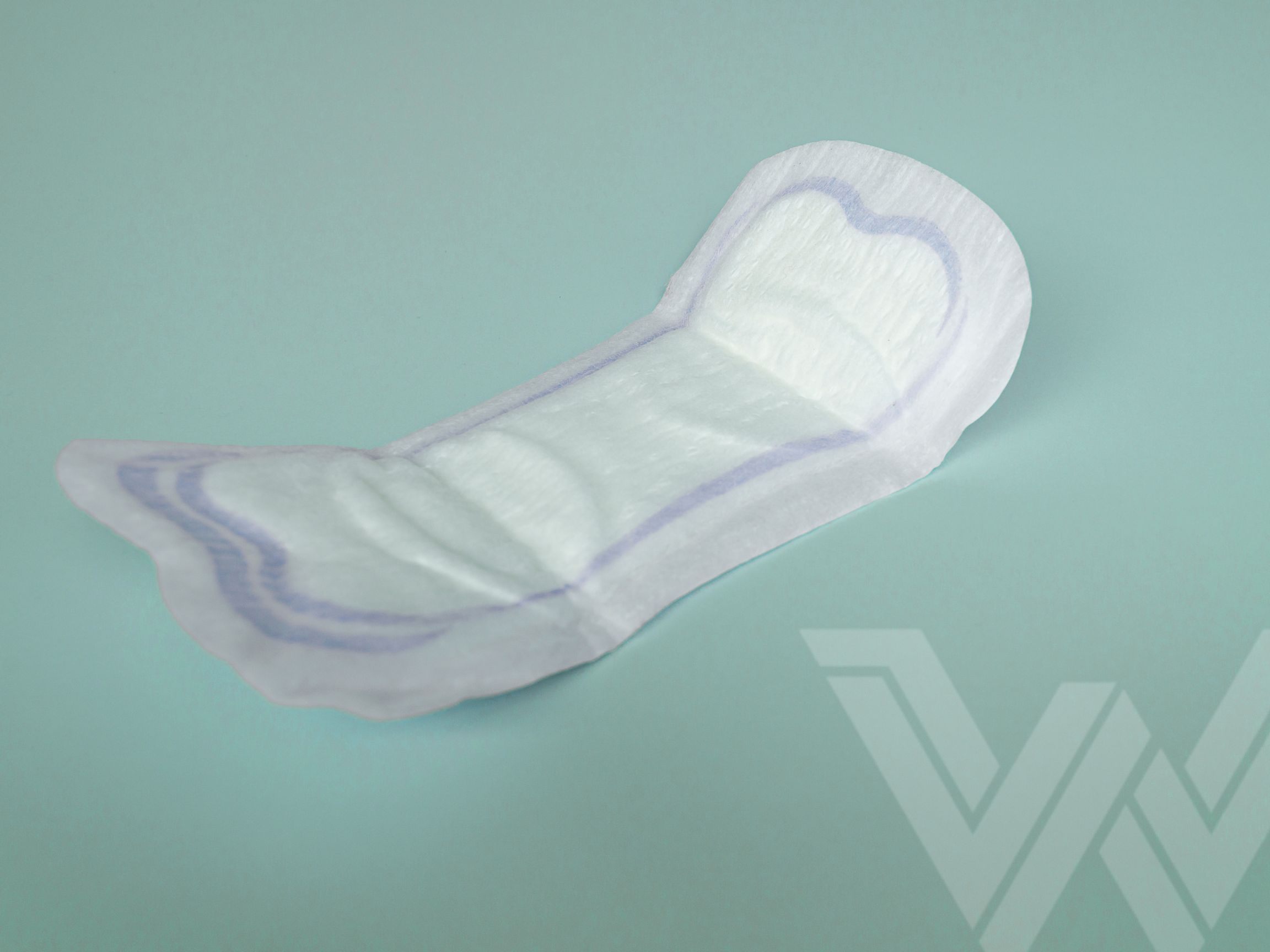
Pelvic floor physical therapy is often associated with pregnancy and postpartum recovery, but pelvic health is about much more than childbirth.
Your pelvic floor is a group of muscles that helps support your bladder, bowel, reproductive organs, core, and spine. It also plays an important role in breathing, movement, sexual function, and pressure management throughout your body.
So how do you know when it is time to see a pelvic floor physical therapist?
The answer may be simpler than you think. If something feels different, uncomfortable, painful, or harder than it used to be, it is worth getting evaluated.
Here are seven signs that pelvic floor physical therapy may be able to help.
1. You leak when you cough, sneeze, exercise, or laugh
A little leaking when you jump, run, sneeze, or cough is common, but common does not necessarily mean normal.
Urinary leakage can happen when your pelvic floor is not coordinating well with the pressure created by movement. Sometimes the muscles are weak. Sometimes they are overly tight. Sometimes the issue is more about timing and coordination than strength.
This is one reason simply doing more Kegels is not always the answer.
A pelvic floor physical therapist can evaluate how your pelvic floor is working and determine what your body actually needs.
2. You constantly feel like you have to pee
Do you feel like you are always looking for the nearest bathroom?
Urinary urgency and frequency can be frustrating, especially when you feel like you just went to the bathroom and already need to go again.
Your bladder and nervous system are constantly communicating with each other. When those signals become overactive or poorly coordinated, you may experience urgency even when your bladder is not particularly full.
Pelvic floor physical therapy can help identify what may be contributing to those symptoms and teach strategies to improve bladder control and coordination.
3. Sex is painful
Pain with penetration is not something you simply have to live with.
Pain during sex can have many different causes, including pelvic floor muscle tension, scar tissue, changes in mobility, hormonal changes, previous injury, or the way the muscles are coordinating.
Sometimes the pelvic floor muscles are actually too tight rather than too weak.
A pelvic health evaluation can help determine what is contributing to the pain and create a treatment plan based on your specific symptoms.
4. You feel pressure, heaviness, or something just feels “off”
Maybe you notice pressure in your pelvis after standing for a long time.
Maybe you feel heaviness during exercise.
Maybe you have a sensation of something dropping or bulging.
Or maybe you cannot quite explain what feels wrong. You just know that your body does not feel the way it used to.
These changes can be related to pelvic floor dysfunction, changes in support, or how your muscles are managing pressure.
You do not have to wait until your symptoms become severe to get evaluated.
5. You have pelvic, hip, or lower back pain
Your pelvic floor does not work in isolation.
It works with your abdominal muscles, diaphragm, hips, back, and other muscles throughout your body. Because of this, pelvic floor dysfunction can sometimes show up as pain somewhere other than the pelvis.
If you have persistent pelvic pain, hip pain, tailbone pain, or lower back pain, a pelvic floor physical therapist can look at the bigger picture instead of focusing only on the location of your pain.
6. You are struggling with constipation or bowel movements
Pelvic floor muscles are involved in bowel function, too.
If you frequently strain, feel like you cannot completely empty your bowels, or have difficulty relaxing when you need to have a bowel movement, your pelvic floor may be part of the problem.
Sometimes the issue is not that the muscles are too weak. They may actually be having trouble relaxing and coordinating properly.
Learning how to properly coordinate your breathing, abdominal pressure, and pelvic floor muscles can make a significant difference for some people.
7. You have tried everything and still do not feel like yourself
This may be the biggest sign of all.
You have been doing the exercises.
You have tried changing your routine.
You have been told that what you are experiencing is “normal.”
But something still does not feel right.
You do not need to have a dramatic symptom to see a pelvic floor physical therapist. You also do not need to be postpartum, injured, or experiencing incontinence.
Sometimes an evaluation is simply a way to understand what is happening in your body and get a plan for moving forward.
What happens during a pelvic floor physical therapy evaluation?
One of the biggest questions people have is what actually happens when they come in for an evaluation.
Your first visit is about understanding you, not just your symptoms.
Your pelvic health physical therapist may ask about your bladder and bowel habits, pain, exercise routine, pregnancy history, surgeries, sexual health, daily activities, and other factors that may be contributing to what you are experiencing.
They may also assess your breathing, posture, movement, core strength, hip mobility, and pelvic floor muscle function.
Depending on your symptoms and goals, an internal pelvic floor assessment may also be recommended. This is always discussed with you first, and you should feel comfortable asking questions and understanding why an assessment is being recommended.
The goal is not simply to tell you that your pelvic floor is “weak.”
It is to understand how your body is functioning and why you may be experiencing the symptoms you are experiencing.
You do not have to wait until your symptoms get worse
Pelvic health symptoms are easy to put off.
You may think the leaking is not bad enough.
You may assume pelvic pain is something you just have to deal with.
You may think needing to use the bathroom frequently is just part of getting older.
You may feel embarrassed talking about pain with sex or bowel movements.
But these symptoms are exactly the kinds of things pelvic floor physical therapists are trained to evaluate and treat.
You deserve to understand what is happening in your body.
Looking for pelvic floor physical therapy in Farragut, TN?
Weeks Wellness provides personalized pelvic health care for women in Farragut, West Knoxville, and surrounding communities.
Whether you are dealing with bladder leakage, urinary urgency, pelvic pain, painful sex, bowel changes, pelvic pressure, or something that simply does not feel right, a pelvic health evaluation can be a helpful place to start.
You do not have to figure it out on your own.
Schedule an evaluation with the Weeks Wellness pelvic health team and get a clearer understanding of what may be contributing to your symptoms and what you can do about them.
